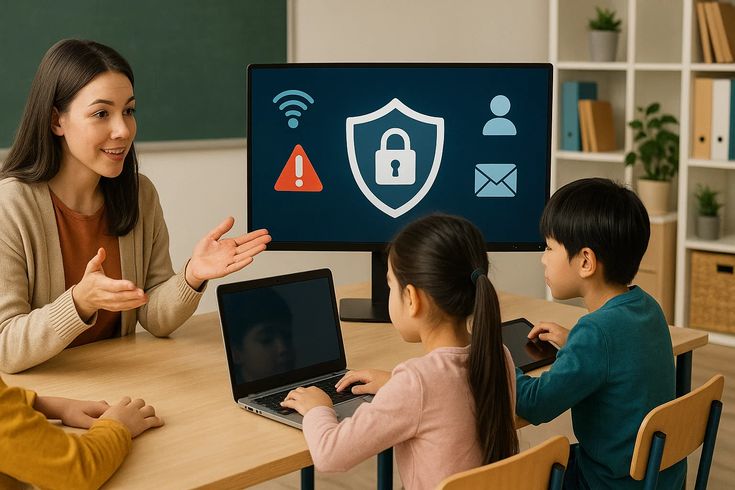
Learn why cybersecurity for kids is important in 2026. Discover essential online safety tips for kids.
Introduction
In today’s digital world, children are spending more time online than ever before. From online classes and gaming to social media and learning platforms, the internet has become a major part of their daily lives. While this brings many opportunities, it also exposes kids to various online risks.
This is where cybersecurity for kids becomes essential. Teaching children how to stay safe online is no longer optional—it is a necessity in 2026. Parents and schools must ensure that students understand digital safety from an early age.
In this blog, we will explore why cybersecurity is important, the best online safety tips for students, and how enrolling in a cybersecurity course for school students can make a big difference.
What is Cybersecurity for Kids?
Cybersecurity for kids refers to teaching children how to protect their personal information, devices, and online identity from digital threats. It includes awareness about:
- Online scams
- Cyberbullying
- Data privacy
- Safe browsing habits
The goal of cybersecurity for kids is to help children become responsible and safe digital users.
Why Cybersecurity is Important for Kids in 2026
As technology advances, cyber threats are becoming more sophisticated. Children are often easy targets because they may not fully understand online risks.
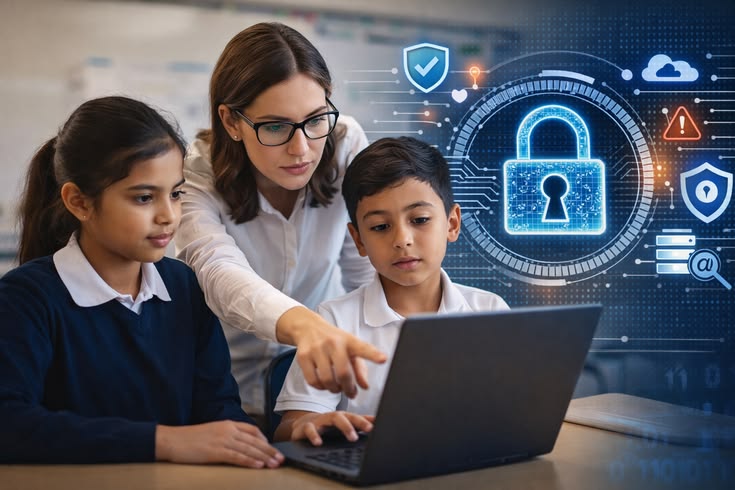
Here’s why cybersecurity for kids is more important than ever:
1. Increased Screen Time
Students spend hours online for education and entertainment, increasing exposure to risks.
2. Rise in Cyberbullying
Many children face online harassment through social media and gaming platforms.
3. Data Privacy Concerns
Kids often share personal information without understanding the consequences.
4. Online Scams and Fraud
Hackers target young users through fake links, games, and apps.
Top Online Safety Tips for Students
To ensure safe internet usage, here are essential online safety tips for students:
1. Never Share Personal Information
Students should avoid sharing their name, address, school details, or passwords online.
2. Use Strong Passwords
Encourage kids to create unique and strong passwords for every account.
3. Avoid Clicking Unknown Links
Many cyberattacks happen through phishing links.
4. Think Before Posting
Once something is posted online, it can be difficult to remove.
5. Talk to Parents or Teachers
If something feels wrong online, students should immediately inform a trusted adult.
These online safety tips for students can significantly reduce the risk of cyber threats.
Common Cyber Threats Kids Face
Understanding threats is an important part of cybersecurity for kids. Some common risks include:
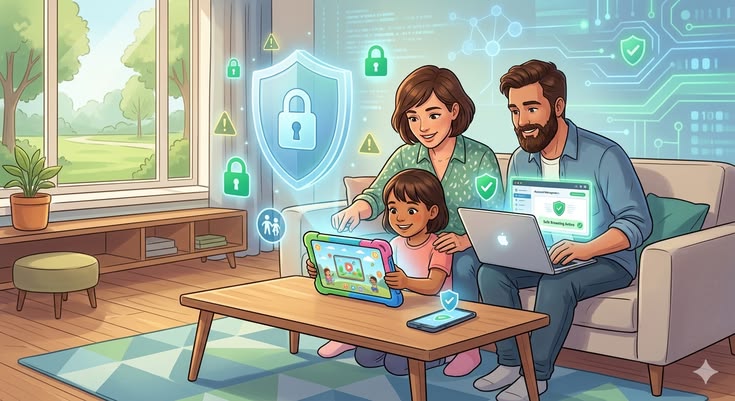
1. Phishing Attacks
Fake messages designed to steal personal information.
2. Cyberbullying
Harassment through social media, games, or messaging apps.
3. Malware and Viruses
Downloading unsafe files can harm devices.
4. Identity Theft
Hackers misuse personal information for fraud.
Benefits of Learning Cybersecurity at an Early Age
Introducing cybersecurity for kids at a young age offers several benefits:
- Builds awareness about online risks
- Encourages responsible internet usage
- Improves critical thinking skills
- Prepares students for future careers
Why Enroll in a Cybersecurity Course for School Students
A structured cybersecurity course for school students provides practical knowledge and hands-on experience.
What Students Learn:
- Internet safety rules
- Ethical hacking basics
- Password security
- Identifying online threats
Advantages of a Cybersecurity Course for School Students:
- Interactive learning
- Real-world scenarios
- Skill development
- Career awareness
Enrolling in a cybersecurity course for school students ensures that kids gain both theoretical and practical knowledge.
Role of Parents and Schools in Cybersecurity
Cybersecurity education is a shared responsibility.
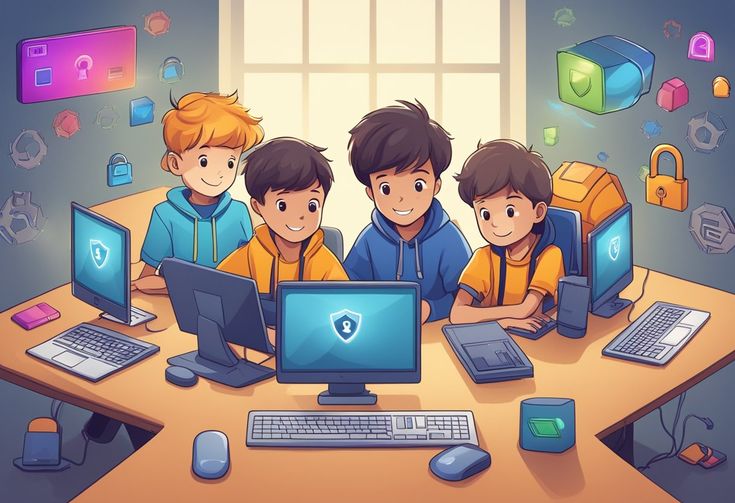
For Parents:
- Monitor screen time
- Use parental control tools
- Educate children about online risks
For Schools:
- Include cybersecurity in the curriculum
- Conduct workshops and awareness programs
- Provide access to safe learning platforms
Future of Cybersecurity for Kids
As digital technology continues to grow, the importance of cybersecurity for kids will only increase. In the future, schools may include cybersecurity as a core subject alongside math and science.
Students who learn cybersecurity early will have an advantage in both academics and career opportunities.
FAQs (AEO Optimized)
Q1. What is cybersecurity for kids in simple terms?
Cybersecurity for kids means learning how to stay safe and protect personal information online.
Q2. Why are online safety tips for students important?
They help students avoid cyber threats like scams, hacking, and cyberbullying.
Q3. What is taught in a cybersecurity course for school students?
Students learn internet safety, ethical hacking basics, and how to identify online risks.
Q4. At what age should kids learn cybersecurity?
Kids can start learning cybersecurity from as early as 8 years old.
Conclusion
In 2026, digital safety is just as important as academic education. Teaching cybersecurity for kids ensures that students can navigate the online world safely and confidently.
By following essential online safety tips for students and enrolling in a cybersecurity course for school students, parents and schools can prepare children for a secure digital future.
Cybersecurity is not just a skill—it is a necessity for every child growing up in the digital age.