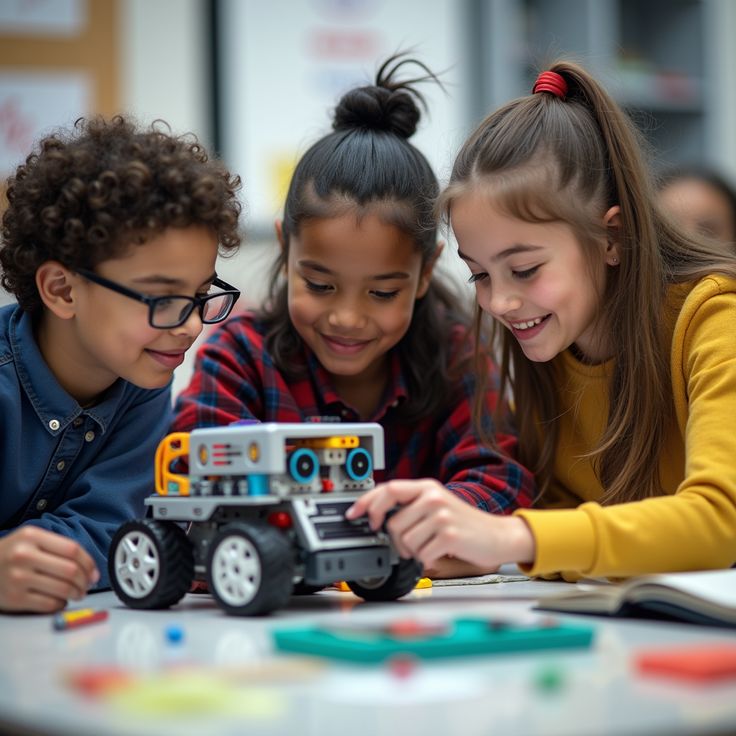
Technology is changing the world faster than ever before, and children today are growing up in a completely different learning environment compared to previous generations. One of the most exciting developments shaping modern education is robotics. From classrooms and workshops to innovation labs and coding clubs, robotics is helping children learn, explore, and create in ways that were once unimaginable.
The rise of Robotics for Kids has transformed traditional learning into an interactive and hands-on experience. Children are no longer limited to textbooks and theory-based education. Instead, they are now building robots, writing code, solving problems, and developing real-world skills from an early age.
As industries continue moving toward automation and Artificial Intelligence, parents and educators are realizing the importance of introducing children to future-focused technologies early. Robotics not only teaches technical knowledge but also develops creativity, critical thinking, teamwork, communication, and innovation.
In today’s rapidly evolving world, robotics education is becoming one of the strongest foundations for preparing children for future careers and technological advancements.
What is Robotics for Kids?
Robotics for Kids refers to educational programs and activities designed to teach children how robots work and how they can build, program, and control them. These programs combine science, technology, engineering, and mathematics into one engaging learning experience.
Children learn:
- Basic coding concepts
- Robot design and building
- Problem-solving techniques
- Sensor technology
- Automation principles
- Artificial Intelligence basics
Robotics makes learning exciting because kids can immediately see the results of their ideas in action. Instead of simply memorizing concepts, children apply knowledge practically through projects and experiments.
This practical approach increases curiosity, confidence, and deeper understanding.
Why Robotics is Important for Children Today
The world is entering a technology-driven future where automation, AI, and smart systems are becoming part of everyday life. Industries such as healthcare, automotive, manufacturing, space research, education, and even agriculture are increasingly using robotics and automation.
This is why learning robotics early has become highly valuable for children.
Preparing Kids for Future Careers
Many future jobs will require technical and digital skills. By learning robotics early, children develop strong foundations that can help them pursue careers in:
- Robotics Engineering
- Artificial Intelligence
- Software Development
- Automation Technology
- Game Development
- Data Science
- Aerospace Engineering
Developing Future Technology Skills for Kids is becoming just as important as traditional academic education.
Robotics Improves Problem-Solving Skills
One of the biggest advantages of robotics education is its ability to improve critical thinking and problem-solving abilities.
When children build robots, they naturally face challenges such as:
- Why is the robot not moving?
- How can the sensor detect objects?
- What changes are needed in the code?
- How can the robot perform tasks faster?
By solving these problems independently, children learn logical thinking and decision-making skills.
Unlike traditional learning methods where students often memorize answers, robotics encourages experimentation, creativity, and exploration.
This is one of the reasons why STEM Education for Children is gaining popularity worldwide.
Robotics Encourages Creativity and Innovation
Many people think robotics is only about coding and machines, but it also strongly supports creativity.
Children use their imagination to:
- Design robots
- Create smart solutions
- Build automated systems
- Develop innovative projects
- Experiment with different ideas
For example, kids may create:
- Smart cars
- Obstacle-avoiding robots
- Automatic watering systems
- Voice-controlled devices
- Mini drones
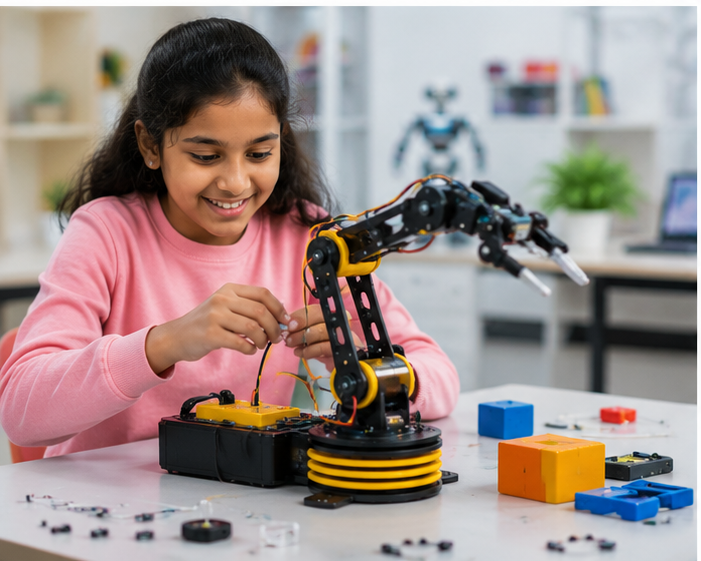
- Robotic arms
Robotics allows children to transform ideas into reality, which boosts confidence and innovation skills.
STEM Education and Robotics
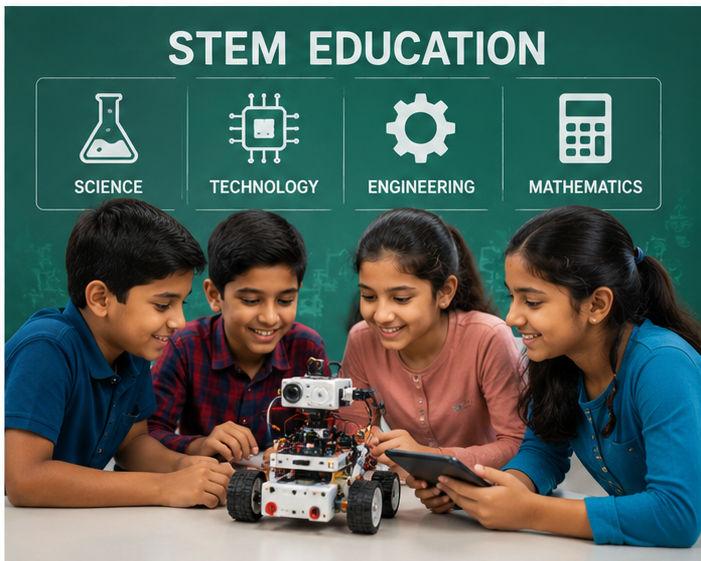
Robotics plays a major role in modern STEM Education for Children. STEM stands for:
- Science
- Technology
- Engineering
- Mathematics
These subjects become more engaging when children learn them through
robotics activities.
For example:
- Science helps children understand energy, motion, and sensors
- Technology introduces coding and programming
- Engineering teaches design and construction
- Mathematics helps with calculations and logic
Instead of learning subjects separately, robotics combines all these concepts into one practical experience.
This integrated learning approach improves understanding and long-term knowledge retention.
Coding and Robotics Classes are Transforming Learning
Today, many schools and learning centers are introducing Coding and Robotics Classes to help children develop future-ready skills.
These classes are designed to make learning interactive and enjoyable. Instead of focusing only on theory, students participate in:
- Robot-building competitions
- Coding challenges
- Group projects
- Innovation workshops
- AI-based activities
Children often learn coding languages and platforms such as:
- Scratch
- Blockly
- Python
- Arduino
- LEGO Robotics
These tools help simplify programming concepts and make learning easier for young students.
The demand for Coding and Robotics Classes is growing because parents understand that digital skills are becoming essential in the modern world.
Robotics Builds Confidence in Children
One of the most noticeable benefits of robotics education is increased self-confidence.
When children successfully build and program robots, they feel a strong sense of achievement. Completing projects helps them believe in their abilities and motivates them to take on new challenges.
Robotics also teaches children that mistakes are part of the learning process. If something does not work, they learn to troubleshoot and improve instead of giving up.
This growth mindset is extremely important for personal and academic development.
Teamwork and Communication Skills
Robotics education often involves teamwork and collaborative learning. Children work together to:
- Design projects
- Solve coding problems
- Build robots
- Test systems
- Present ideas
This helps improve:
- Communication skills
- Leadership qualities
- Team collaboration
- Presentation abilities
These soft skills are just as important as technical knowledge in future careers.
Robotics and Artificial Intelligence
Modern robotics programs are increasingly introducing children to Artificial Intelligence concepts.
Kids learn how machines can:
- Recognize objects
- Follow commands
- Make decisions
- Detect environments
- Respond automatically
Understanding AI early helps children become familiar with technologies shaping the future.
Combining robotics with AI also encourages children to think innovatively and understand real-world applications of smart technology.
Future Technology Skills for Kids
In today’s digital world, learning technology is no longer optional — it is becoming essential.
Developing Future Technology Skills for Kids helps children:
- Adapt to technological changes
- Build digital confidence
- Understand automation
- Improve creativity
- Become future-ready professionals
Robotics education gives children exposure to technologies they may use in future careers and industries.
This early exposure creates strong advantages later in life.
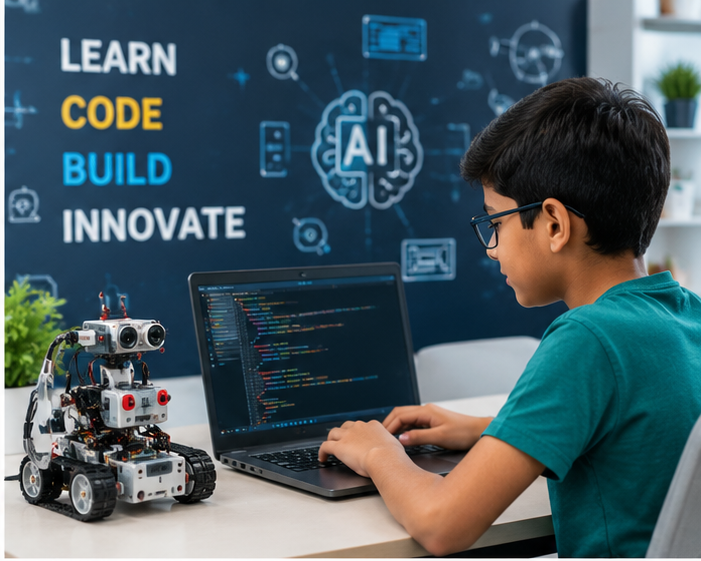
Robotics Makes Learning Fun and Interactive
Traditional classroom methods can sometimes feel repetitive or less engaging for children. Robotics changes the learning experience by making education exciting and practical.
Children enjoy:
- Building moving machines
- Testing sensors
- Writing commands
- Competing in robotics challenges
- Creating inventions
This interactive environment increases student participation and curiosity.
Learning becomes more enjoyable when children can physically interact with concepts rather than simply reading about them.
How Robotics Helps Academic Performance
Many studies show that robotics education positively impacts academic performance.
Children involved in robotics often improve in:
- Mathematics
- Logical reasoning
- Scientific understanding
- Concentration
- Analytical thinking
Robotics activities strengthen brain development because they require planning, observation, testing, and decision-making.
This makes STEM Education for Children highly effective in supporting overall academic growth.
Robotics Competitions Inspire Innovation
Robotics competitions are becoming increasingly popular in schools and educational institutions.
These competitions motivate children to:
- Think creatively
- Build unique projects
- Work under challenges
- Present innovative ideas
Participating in competitions also teaches discipline, teamwork, and confidence.
Children gain exposure to real-world problem-solving while interacting with students who share similar interests.
Parents are Supporting Robotics Education
Parents today understand that the future job market will be heavily technology-driven. As a result, many are encouraging children to participate in robotics programs from an early age.
Parents recognize that Robotics for Kids offers benefits beyond academics, including:
- Confidence building
- Creativity
- Leadership development
- Technological awareness
- Innovation skills
Many families now view robotics education as an investment in their child’s future success.
Schools are Adopting Robotics Programs
Educational institutions worldwide are integrating robotics into school curriculums.
Schools are introducing:
- Robotics labs
- Coding clubs
- STEM workshops
- AI learning sessions
- Innovation projects
The goal is to prepare students for future industries and encourage skill-based learning.
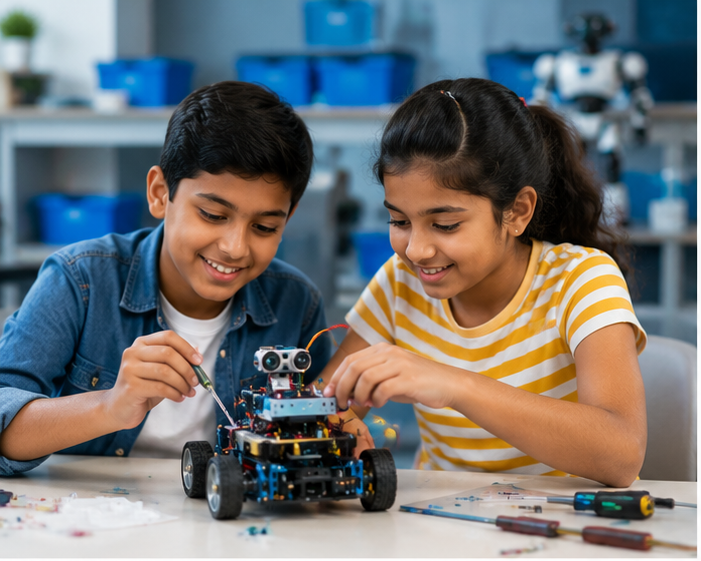
As technology continues evolving, robotics education is becoming an important part of modern schooling systems.
The Future of Robotics Education
The future of robotics education looks extremely promising. With advancements in AI, automation, machine learning, and smart technologies, robotics will continue becoming more important in children’s education.
Future classrooms may include:
- AI-powered learning robots
- Virtual robotics simulations
- Smart coding platforms
- Interactive STEM labs
- Advanced automation projects
Children who start learning robotics today will have strong advantages in tomorrow’s digital economy.
Developing Future Technology Skills for Kids will play a major role in shaping the next generation of innovators, engineers, creators, and entrepreneurs.
Conclusion
Robotics is no longer just an advanced technology field reserved for scientists and engineers. It has become a powerful educational tool that is helping children learn, innovate, and prepare for the future.
Through Robotics for Kids, children develop technical knowledge, creativity, confidence, problem-solving abilities, and teamwork skills. Robotics also strengthens STEM Education for Children by making learning interactive, practical, and exciting.
The growing popularity of Coding and Robotics Classes reflects how education is evolving to meet the demands of a technology-driven world. By developing Future Technology Skills for Kids, parents and educators are helping children become future-ready leaders capable of adapting to rapid technological advancements.
As robotics continues transforming education, children today are not just learning about technology — they are learning how to create the future with it.