Future Career Scope of AI and Robotics in 2026
Learn about job opportunities, salaries, skills, industries, and why students should start learning AI and robotics.
Technology is evolving faster than ever before, and two of the most powerful innovations shaping the future are Artificial Intelligence (AI) and Robotics. From smart assistants and self-driving cars to industrial automation and intelligent robots, these technologies are transforming every industry around the world.
In 2026, Artificial Intelligence and Robotics are not just trends — they are becoming essential skills for future careers. Companies across healthcare, manufacturing, education, cybersecurity, retail, agriculture, and finance are actively looking for professionals who understand AI and robotics technologies.
Students, graduates, and working professionals are now realizing that learning AI and robotics can open doors to high-paying and future-proof career opportunities. As industries move toward automation and smart systems, the demand for skilled professionals in these fields is increasing rapidly.
In this blog, we will explore the future career scope of Artificial Intelligence and Robotics, the industries using these technologies, required skills, job opportunities, salary expectations, and why learning these technologies early can create a strong career advantage.
What is Artificial Intelligence?
Artificial Intelligence refers to machines and computer systems that can perform tasks that normally require human intelligence. AI systems can learn, analyze data, make decisions, recognize patterns, and improve performance over time.
Some common examples of AI include:
- Virtual assistants
- Chatbots
- Recommendation systems
- Face recognition
- Voice assistants
- Self-driving vehicles
- AI-powered healthcare systems
AI is helping businesses automate tasks, improve efficiency, reduce costs, and make smarter decisions.
What is Robotics?
Robotics is the field of designing, building, and programming robots to perform specific tasks automatically. Robots can work in factories, hospitals, warehouses, research centers, and even homes.
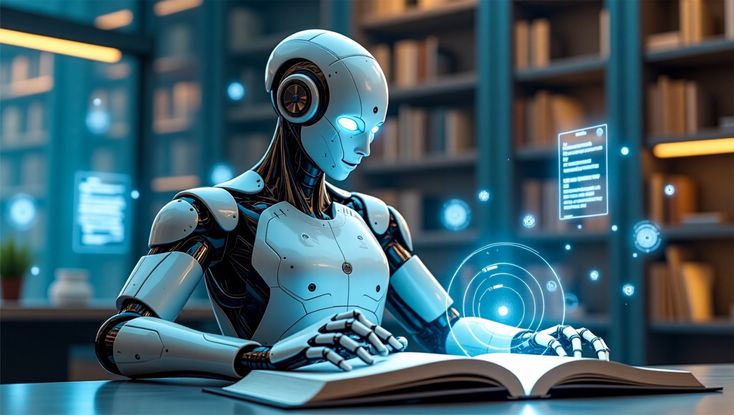
Modern robots are becoming more intelligent because of Artificial Intelligence integration. AI-powered robots can:
- Understand instructions
- Detect objects
- Make decisions
- Learn from experience
- Interact with humans
Robotics is now used in industries such as manufacturing, defense, healthcare, logistics, agriculture, and space research.
Why AI and Robotics Are Important in 2026
The world is entering a new era of automation and smart technologies. Businesses are adopting AI and robotics to increase productivity and improve customer experiences.
Here are some major reasons why AI and robotics are important in 2026:
1. Growing Demand for Automation
Companies are automating repetitive and time-consuming tasks to improve efficiency and reduce operational costs.
2. Industry 5.0 Revolution
Industry 5.0 focuses on collaboration between humans and intelligent machines. AI and robotics are becoming the backbone of modern industries.
3. Increased Job Opportunities
The demand for AI engineers, robotics experts, automation specialists, and machine learning professionals is growing globally.
4. Smart Technology Expansion
Smart homes, smart cities, autonomous vehicles, and AI-driven systems are creating huge career opportunities.
5. High Salary Potential
AI and robotics professionals are among the highest-paid technology experts in today’s job market.
Future Career Scope of Artificial Intelligence
Artificial Intelligence is one of the fastest-growing career fields in the world. Companies are investing heavily in AI technologies to improve business performance and innovation.
Top Career Opportunities in AI
1. AI Engineer
AI Engineers develop intelligent systems and machine learning models for businesses and applications.
2. Machine Learning Engineer
Machine Learning Engineers create algorithms that allow machines to learn from data and improve automatically.
3. Data Scientist
Data Scientists analyze large amounts of data to identify trends, patterns, and business insights.
4. AI Research Scientist
Research scientists work on advanced AI technologies and innovations.
5. NLP Engineer
Natural Language Processing experts help machines understand human language and communication.
6. Computer Vision Engineer
These professionals work on image recognition, facial detection, and video analysis technologies.
7. AI Product Manager
AI Product Managers manage AI-based products and solutions for companies.

Industries Using Artificial Intelligence
AI is being used across almost every industry today.
Healthcare
AI helps doctors diagnose diseases, analyze medical data, and improve patient care.
Banking and Finance
Banks use AI for fraud detection, customer service, and risk analysis.
E-Commerce
Online shopping platforms use AI for personalized recommendations and customer behavior analysis.
Education
AI-powered learning platforms provide personalized education experiences for students.
Cybersecurity
AI helps detect cyber threats and improve digital security systems.
Transportation
Self-driving vehicles and smart traffic systems rely heavily on AI technologies.
Future Career Scope of Robotics
Robotics is becoming one of the most exciting and innovative career fields in the world. Industries are using robots to improve productivity, safety, and operational efficiency.
Top Career Opportunities in Robotics
1. Robotics Engineer
Robotics Engineers design and develop robots for various industries.
2. Automation Engineer
Automation Engineers create systems that automate industrial and manufacturing processes.
3. Robotics Programmer
These professionals write software programs that control robotic systems.
4. Embedded Systems Engineer
Embedded Engineers work on hardware and software integration for robots.
5. Drone Developer
Drone technology is growing rapidly in logistics, defense, agriculture, and surveillance.
6. Mechatronics Engineer
Mechatronics combines electronics, mechanics, and computer science for robotics development.
7. Industrial Robot Technician
These professionals maintain and troubleshoot robotic systems in factories.

Industries Using Robotics
Manufacturing
Factories use robots for assembly lines, packaging, welding, and quality control.
Healthcare
Robotic surgery systems help doctors perform precise operations.
Agriculture
Agricultural robots help with harvesting, irrigation, and crop monitoring.
Logistics and Warehousing
Companies use robots for inventory management and package handling.
Defense and Security
Robots are used in surveillance, bomb detection, and rescue operations.
Space Research
Space agencies use robots for planetary exploration and scientific research.
Skills Required for AI and Robotics Careers
Students planning to build careers in AI and robotics should focus on developing both technical and problem-solving skills.
Technical Skills
- Programming languages
- Python coding
- Machine learning basics
- Robotics programming
- Data analysis
- Electronics fundamentals
- Automation systems
- AI model training
Soft Skills
- Critical thinking
- Creativity
- Communication
- Teamwork
- Analytical mindset
- Problem-solving ability
Programming Languages for AI and Robotics
Some of the most important programming languages in these fields are:
- Python
- C++
- Java
- R Programming
- JavaScript
Among these, Python is considered one of the best beginner-friendly languages for AI and robotics learning.
Salary Scope in AI and Robotics in 2026
One of the biggest reasons students are choosing AI and robotics careers is the attractive salary potential.
Average AI Salaries in India
- Freshers: ₹5 LPA – ₹10 LPA
- Experienced Professionals: ₹15 LPA – ₹40 LPA
Average Robotics Salaries in India
- Freshers: ₹4 LPA – ₹8 LPA
- Experienced Professionals: ₹12 LPA – ₹30 LPA
International salaries for AI and robotics professionals are even higher due to global demand.
Why Students Should Learn AI and Robotics Early
Learning AI and robotics at an early stage gives students a major advantage in future careers.
1. Future-Ready Skills
Students gain exposure to technologies that will dominate future industries.
2. Improved Creativity
Robotics projects encourage innovation and creative thinking.
3. Better Problem-Solving Skills
Students learn how to analyze challenges and build solutions.
4. Career Opportunities
Early learning creates stronger career pathways in technology fields.
5. Confidence in Technology
Students become comfortable working with advanced tools and systems.
AI and Robotics in Education
Schools and colleges are increasingly introducing AI and robotics programs because these technologies are becoming essential for future careers.
Educational institutions now offer:
- Robotics labs
- AI coding classes
- STEM education programs
- Automation workshops
- Project-based learning
These programs help students gain practical knowledge and industry exposure.
Challenges in AI and Robotics Careers
Although AI and robotics offer excellent opportunities, students should also understand the challenges.
Rapidly Changing Technology
Professionals must continuously upgrade their skills.
High Competition
The field is growing rapidly, increasing competition among candidates.
Technical Learning Curve
AI and robotics require strong technical understanding and continuous practice.
However, consistent learning and hands-on experience can help students succeed in these fields.
Future Trends in AI and Robotics
The future of AI and robotics looks extremely promising. Some major trends expected in the coming years include:
- AI-powered robots in homes and offices
- Autonomous vehicles
- Smart factories
- Human-robot collaboration
- AI healthcare assistants
- Advanced robotics in education
- AI cybersecurity systems
- Intelligent agriculture automation
These innovations will create millions of new job opportunities worldwide.
How to Start a Career in AI and Robotics
Students interested in AI and robotics can begin with simple steps:
- Learn basic programming
- Understand AI and robotics fundamentals
- Work on small projects
- Join certification courses
- Participate in competitions and workshops
- Build practical experience
- Stay updated with industry trends
Consistent practice and project-building are key to becoming successful in these fields.
Final Thoughts
Artificial Intelligence and Robotics are shaping the future of technology and creating exciting career opportunities across the world. In 2026 and beyond, industries will continue adopting automation, intelligent systems, and robotics solutions to improve productivity and innovation.
Students who start learning AI and robotics today will gain valuable future-ready skills, strong career opportunities, and access to high-paying jobs. From healthcare and education to manufacturing and cybersecurity, these technologies are transforming every sector.
The future belongs to those who can understand, create, and manage intelligent technologies. AI and robotics are no longer optional skills — they are becoming essential for the next generation of professionals.
Whether you are a student, fresher, or working professional, investing your time in learning Artificial Intelligence and Robotics can become one of the smartest career decisions for the future.