The world is rapidly moving toward automation, artificial intelligence, and smart technologies. In 2026, robotics is no longer limited to science fiction movies or large manufacturing industries. Robots are now part of everyday life, helping businesses improve efficiency, reduce costs, and increase productivity. Because of this technological transformation, robotics courses have become one of the most in-demand educational programs globally.
Students, working professionals, and even school children are showing strong interest in robotics education because it opens the door to future-ready careers. Industries across healthcare, manufacturing, logistics, agriculture, defense, retail, and education are adopting robotics solutions at an incredible speed. This growing adoption has created massive demand for skilled robotics professionals.
As industries continue embracing automation and intelligent systems, robotics courses are helping students gain the skills needed for the future job market. In 2026, learning robotics is not just an option — it has become a strategic career move for anyone interested in technology and innovation.
What is Robotics?
Robotics is a branch of technology that combines:
- Artificial Intelligence (AI)
- Mechanical Engineering
- Electronics
- Programming
- Machine Learning
- Sensor Technology
- Automation Systems
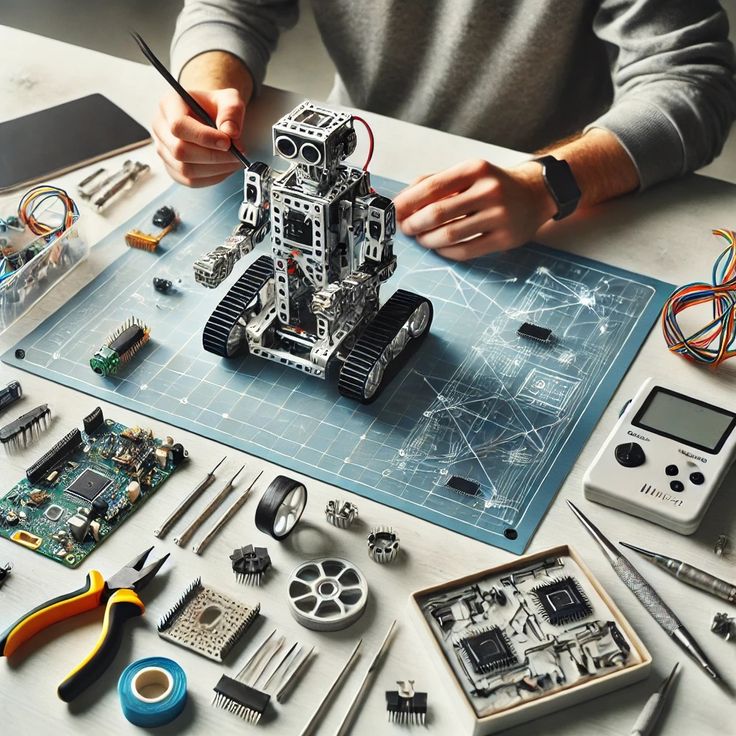
Robotics focuses on designing, building, programming, and operating intelligent machines that can perform tasks automatically.
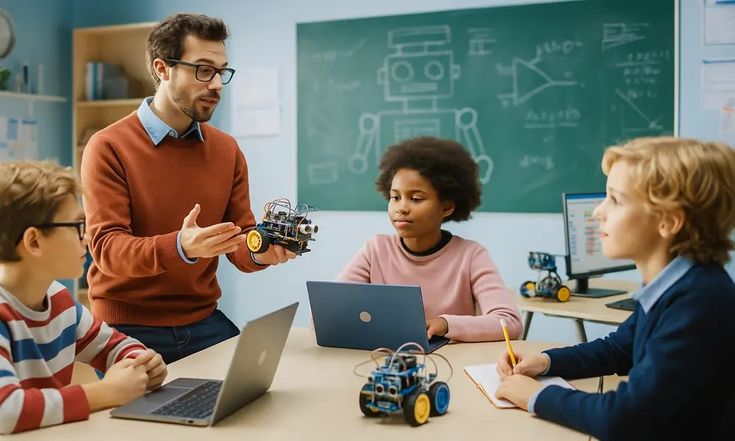
Modern robots are capable of:
- Making decisions
- Learning from data
- Performing repetitive tasks
- Assisting humans
- Improving industrial efficiency
Robotics is now one of the most exciting and rapidly growing fields in the technology sector.
Rise of Automation in 2026
One of the biggest reasons robotics courses are in high demand in 2026 is the rapid growth of automation across industries.
Companies are using robots to:
- Reduce human error
- Increase productivity
- Improve operational efficiency
- Save time and labor costs
- Handle dangerous tasks safely
Automation has become essential for businesses that want to remain competitive in the digital economy.
Industries Using Robotics
Manufacturing
Factories use robotic arms and automated systems for assembly lines, packaging, welding, and quality inspection.
Healthcare
Hospitals use robotic systems for surgeries, patient monitoring, rehabilitation, and medical assistance.
Logistics and Warehousing
Companies use robots for inventory management, sorting, packaging, and automated deliveries.
Agriculture
Agricultural robots help with crop monitoring, harvesting, irrigation, and pesticide spraying.
Retail
Retail businesses use robots for customer service, inventory tracking, and automated billing systems.
Defense and Security
Robotics technology is widely used in surveillance, bomb disposal, drones, and military operations.
As more industries adopt automation, the demand for skilled robotics professionals continues increasing rapidly.
Integration of Robotics and Artificial Intelligence
In 2026, robotics and Artificial Intelligence are deeply connected. Modern robots are no longer simple machines that follow instructions. They are intelligent systems capable of learning and adapting.
AI-powered robots can:
- Analyze data
- Recognize objects
- Understand voice commands
- Make decisions
- Interact with humans
Examples include:
- Self-driving cars
- Smart robotic assistants
- AI-powered drones
- Automated industrial robots
- Service robots in hotels and hospitals
Because robotics now includes AI and machine learning, robotics courses provide students with future-ready technical skills that are highly valuable in the modern job market.
High Demand for Robotics Professionals
The rapid growth of automation has created a huge demand for robotics experts worldwide.
Businesses are actively searching for professionals who can:
- Design robotic systems
- Develop automation software
- Program intelligent machines
- Maintain robotics equipment
- Build AI-integrated solutions
However, there is currently a shortage of skilled robotics professionals in many countries. This skill gap is one of the biggest reasons why robotics education and certification programs are becoming more important in 2026.
Students who complete robotics courses can explore high-paying and future-focused careers.
Top Robotics Career Opportunities
Robotics Engineer
Robotics engineers design and develop robotic systems used in industries and automation projects.
Automation Engineer
Automation engineers create automated solutions for manufacturing and industrial systems.
AI and Robotics Specialist
These professionals work on intelligent robotics systems powered by AI technologies.
Embedded Systems Developer

Embedded engineers develop hardware and software systems used in robotics devices.
Robotics Programmer
Robotics programmers write code for robot movement, control systems, and machine behavior.
Drone Technology Expert
Drone specialists work on unmanned aerial vehicles used in agriculture, defense, and delivery systems.
Machine Learning Engineer
Machine learning professionals help robots improve performance using AI algorithms and data analysis.
These careers offer:
- Excellent salary packages
- Global opportunities
- Long-term growth
- Innovation-driven work environments
Why Students Are Choosing Robotics Courses
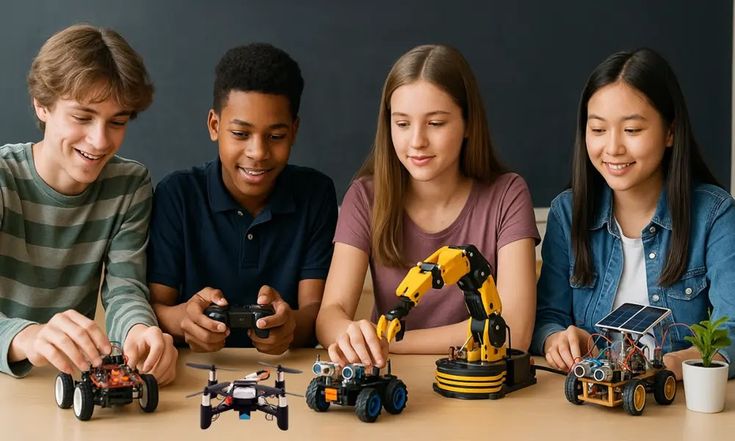
Students today are more interested in technology-driven careers than ever before. Robotics courses provide practical learning experiences that combine creativity, coding, engineering, and innovation.
Benefits of Learning Robotics
Hands-On Learning
Students gain practical experience through robotics projects, coding, and hardware development.
Improves Problem-Solving Skills
Robotics teaches students how to analyze problems and create technical solutions.
Enhances Creativity
Students build innovative robots and automation systems using creative thinking.
Future Career Readiness
Robotics prepares students for future industries powered by automation and AI.
Interdisciplinary Learning
Robotics combines multiple subjects such as electronics, coding, AI, and mechanical engineering.
Because of these advantages, schools and colleges are introducing robotics labs and STEM learning programs for students.
Robotics Education for School Students
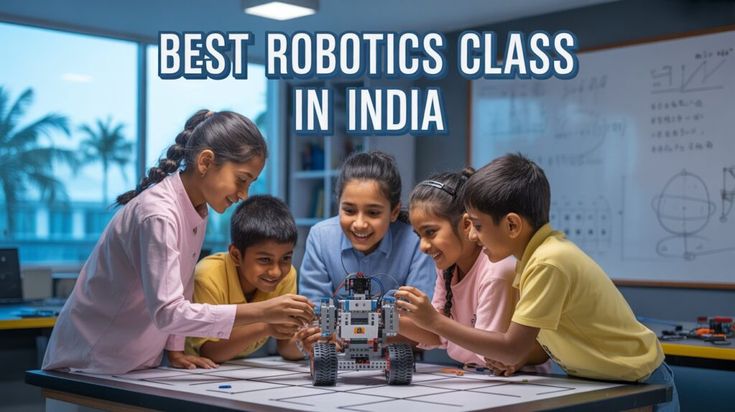
Robotics is no longer limited to college students or engineers. In 2026, many schools are introducing robotics education at an early stage.
Children are learning:
- Basic coding
- Robot building
- Sensor technology
- AI concepts
- Automation fundamentals
Parents are encouraging robotics education because it improves:
- Logical thinking
- Innovation skills
- Technical knowledge
- Team collaboration
- Creativity
Robotics competitions and innovation programs are also becoming increasingly popular among students.
Growth of Smart Technologies
Smart technologies are growing rapidly in 2026, and robotics plays a major role in this transformation.
Examples include:
- Smart homes
- Smart cities
- Smart factories
- Smart healthcare systems
- Intelligent transportation
Robots are now being used for:
- Home automation
- Security systems
- Smart surveillance
- Automated cleaning
- Delivery services
As businesses and cities adopt smart technologies, the need for robotics professionals continues to increase.
Entrepreneurship Opportunities in Robotics
Robotics is not only creating jobs but also encouraging entrepreneurship and innovation.
Many startups are developing robotics solutions for:
- Healthcare
- Agriculture
- Logistics
- Education
- Manufacturing
Students who learn robotics can:
- Build innovative projects
- Develop automation products
- Launch technology startups
- Create AI-powered solutions
Governments and organizations are also supporting robotics startups through:
- Funding programs
- Incubation centers
- Technology grants
- Innovation competitions
This makes robotics one of the most exciting industries for future entrepreneurs.
Global Demand for Robotics Skills
Countries around the world are investing heavily in robotics and automation technologies.
Major countries leading in robotics innovation include:
- United States
- Japan
- Germany
- South Korea
- China
- Canada
- India
Global industries are actively recruiting robotics professionals because automation has become essential for business growth.
Students who complete robotics courses can explore international career opportunities in:
- Industrial automation
- AI development
- Robotics programming
- Smart manufacturing
- Drone technologies
Remote work opportunities are also increasing in robotics software development and AI integration.
Robotics and Industry 4.0
Industry 4.0 refers to the next generation of industrial transformation powered by:
- Artificial Intelligence
- Robotics
- Internet of Things (IoT)
- Big Data
- Cloud Computing
Robotics is a key part of Industry 4.0 because smart factories rely heavily on automation systems.

Modern industries use robotics for:
- Predictive maintenance
- Real-time monitoring
- Automated production
- Smart logistics
- AI-driven operations
As Industry 4.0 expands globally, robotics professionals will become even more valuable.
Future Scope of Robotics
The future scope of robotics is extremely strong. Experts predict that robotics and AI will continue transforming industries for decades.
Future robotics technologies may include:
- Humanoid robots
- Autonomous delivery systems
- AI healthcare assistants
- Intelligent manufacturing systems
- Advanced drones
- Robotic education assistants
Robotics is expected to create millions of new jobs worldwide while also changing the way businesses operate.
Students who start learning robotics today will have a major advantage in future careers.
Why Robotics Courses Are a Smart Investment
In 2026, robotics courses are considered one of the best educational investments because they provide:
- High-income career opportunities
- Global job demand
- Practical technical skills
- Future-proof career options
- Innovation-focused learning
Unlike traditional courses, robotics education focuses heavily on practical implementation and real-world problem-solving.
Companies prefer candidates with hands-on robotics knowledge because automation technologies are becoming essential across industries.
Conclusion
Robotics courses are in high demand in 2026 because the world is rapidly moving toward automation, AI, and intelligent technologies. Businesses across every industry are investing heavily in robotics systems to improve efficiency, productivity, and innovation.
This transformation has created massive demand for robotics professionals who can build, program, and manage intelligent machines. From healthcare and manufacturing to logistics and smart cities, robotics is shaping the future of global industries.
Students choosing robotics courses today are preparing themselves for exciting, high-paying, and future-ready careers. Robotics education provides technical expertise, innovation skills, and global career opportunities that are highly valuable in the modern digital world.
As automation continues to grow, robotics will remain one of the most important and in-demand technology fields for the next generation.