The world is rapidly moving toward automation, artificial intelligence, and smart technologies. Among all the emerging technologies, industrial robotics is becoming one of the most revolutionary fields shaping the future of industries. In 2026, robotics is no longer limited to automobile factories or large manufacturing units. Today, robotics is transforming healthcare, logistics, agriculture, retail, education, and even everyday business operations.
For students planning future careers, understanding the latest Industrial Robotics Trends 2026 is extremely important. Industries are actively searching for skilled professionals who can work with robotics, AI systems, machine learning, and automation technologies.
The demand for robotics professionals is increasing globally because companies want faster production, higher efficiency, improved quality, and reduced operational costs. Students who start learning robotics today will gain a strong advantage in future job markets.
In this blog, we will explore the most important trends shaping the Future of Industrial Robotics, the role of AI and automation, career opportunities, required skills, and why students should consider robotics as a future-proof career path.
What is Industrial Robotics?
Industrial robotics refers to the use of programmable machines and robotic systems to automate industrial processes. These robots are designed to perform tasks such as:
- Assembly
- Welding
- Packaging
- Material handling
- Inspection
- Quality testing
- Sorting
- Machine operations
Modern industrial robots are integrated with sensors, AI algorithms, and machine learning systems, making them smarter and more efficient than ever before.
The robotics industry is now evolving from basic automation toward intelligent automation powered by data and artificial intelligence.
Why Industrial Robotics is Growing Rapidly in 2026
The rise of automation is one of the biggest reasons behind the growth of robotics industries worldwide.
Businesses are adopting robotics because of several benefits:
- Increased productivity
- Improved accuracy
- Reduced human errors
- Faster production
- Better workplace safety
- Lower operational costs
- 24/7 operational capability
Governments and industries are also investing heavily in automation and smart manufacturing systems.
As a result, the Future of Industrial Robotics looks extremely promising for students and professionals.
1. AI-Powered Robotics Revolution
Artificial Intelligence is transforming the robotics industry completely.
Traditional robots used fixed programming instructions, but AI-powered robots can now:
- Learn from data
- Analyze environments
- Make decisions
- Adapt to changes
- Improve performance automatically
This trend of AI and Automation in Robotics is becoming one of the biggest technological shifts in 2026.
Applications of AI Robotics
AI robotics is widely used in:
- Manufacturing plants
- Smart warehouses
- Healthcare systems
- Automotive industries
- Supply chain management
- Agriculture automation
For example, AI-enabled robots can identify defective products during manufacturing and automatically remove them from production lines.
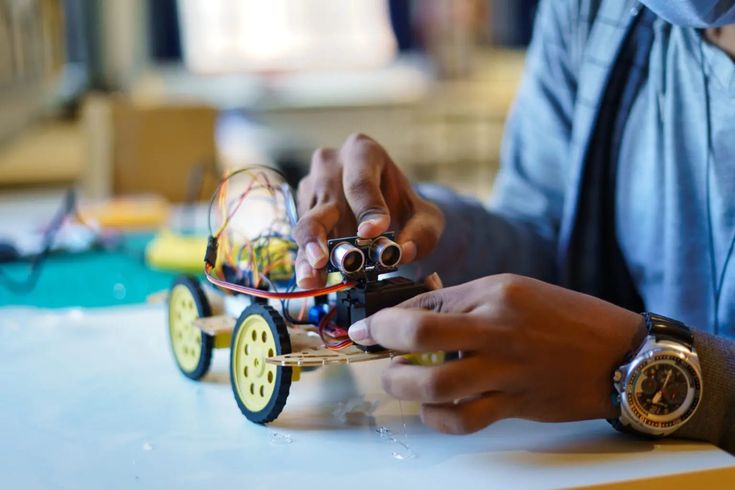
Students who learn AI integration with robotics will have excellent career opportunities in future industries.
2. Rise of Collaborative Robots (Cobots)
Collaborative robots, known as cobots, are designed to work alongside humans safely.
Unlike traditional industrial robots that require separate safety cages, cobots can directly interact with workers.
Advantages of Cobots
- Easy to program
- Flexible operations
- Lower costs
- Improved workplace safety
- Increased efficiency
Small and medium-sized businesses are rapidly adopting cobots because they are affordable and user-friendly.
Cobots are commonly used in:
- Electronics manufacturing
- Packaging
- Food processing
- Healthcare
- Warehousing
Understanding cobot technology is becoming essential for students studying robotics and automation.
3. Smart Factories and Industry 4.0
Industry 4.0 is one of the biggest industrial revolutions happening today.
Smart factories use robotics, IoT, AI, cloud computing, and data analytics to automate industrial operations.
Features of Smart Factories
- Real-time monitoring
- Automated production systems
- Predictive maintenance
- AI-powered quality control
- Connected machinery
- Data-driven decision making
Industrial robots are now connected through intelligent networks that allow machines to communicate with each other.
This trend is creating huge demand for students with knowledge of:
- Robotics
- IoT
- AI
- Cloud technologies
- Industrial automation
The combination of smart technologies and robotics is shaping the next generation of industries.
4. Robotics in Warehousing and Logistics
The rapid growth of eCommerce has increased the need for automation in logistics.
Warehouses are now using robots for:
- Inventory tracking
- Package sorting
- Autonomous transportation
- Order fulfillment
- Delivery optimization
Autonomous mobile robots are helping businesses improve supply chain efficiency.
Companies like Amazon use robotics systems to speed up operations and reduce manual labor.
Students interested in logistics automation can build exciting careers in robotics-driven warehouse management systems.
5. Machine Learning in Robotics
Machine learning allows robots to improve performance through data analysis and experience.
Robots can now recognize patterns, analyze environments, and optimize tasks automatically.
Benefits of Machine Learning in Robotics
- Smarter decision making
- Improved automation accuracy
- Predictive maintenance
- Self-learning capabilities
- Enhanced object recognition
Machine learning is becoming a major component of AI and Automation in Robotics.
Students who combine robotics with machine learning skills will become highly valuable professionals in future industries.
6. Human-Robot Collaboration
Industries are focusing on improving collaboration between humans and robots.
Instead of replacing workers completely, robots are helping employees perform tasks more efficiently.
Examples of Human-Robot Collaboration
- Assembly assistance
- Heavy lifting support
- Precision manufacturing
- Medical assistance
- Warehouse operations
This collaboration improves productivity while reducing workplace injuries.
The future workplace will involve humans and robots working together seamlessly.
7. Robotics in Healthcare
Healthcare robotics is expanding rapidly in 2026.
Hospitals and medical centers are using robotics for:
- Surgical procedures
- Rehabilitation support
- Patient monitoring
- Medicine delivery
- Laboratory automation
Robotic surgeries improve precision and reduce recovery time for patients.
Medical robotics is creating new career opportunities for students interested in both healthcare and technology.
8. Robotics in Agriculture
Agriculture is also adopting automation technologies.
Modern farming robots can:
- Monitor crops
- Spray pesticides
- Harvest fruits
- Analyze soil conditions
- Detect plant diseases
Agricultural robotics helps farmers improve productivity while reducing labor costs.
As food demand increases globally, agricultural automation will continue growing rapidly.
9. Demand for Robotics Skills
The robotics industry is creating thousands of job opportunities worldwide.
Students with robotics knowledge can work in roles such as:
- Robotics Engineer
- Automation Engineer
- AI Developer
- Machine Learning Specialist
- Embedded Systems Engineer
- Robotics Programmer
- Mechatronics Engineer
Industries are actively looking for candidates with practical robotics skills.
This is why Robotics Courses for Students are becoming increasingly popular in 2026.
10. Importance of Robotics Education
Educational institutions are now introducing specialized robotics programs.
Students should focus on learning:
- Robotics programming
- Python and C++
- Artificial Intelligence
- Machine Learning
- IoT systems
- Automation tools
- Embedded systems
Hands-on learning is very important in robotics education.
Students should participate in:
- Robotics competitions
- Internships
- Live projects
- Innovation challenges
Practical experience improves industry readiness significantly.
11. Role of AI and Automation in Robotics
The integration of AI is making robots more intelligent and adaptive.
Modern robotic systems can now:
- Detect objects
- Understand environments
- Predict failures
- Optimize workflows
- Improve operational efficiency
This evolution of AI and Automation in Robotics is changing the future of industries.
Businesses are investing heavily in AI robotics to stay competitive in global markets.
12. Robotics and Sustainability
Sustainability is becoming an important focus area in robotics.
Industrial robots help reduce waste, improve energy efficiency, and optimize resource utilization.
Smart automation systems minimize production errors and improve environmental sustainability.
Green robotics and energy-efficient automation technologies are expected to grow significantly in coming years.
13. Future Career Opportunities in Robotics
The robotics industry offers excellent career opportunities for students.
Some emerging fields include:
- Autonomous vehicles
- Drone technologies
- Smart manufacturing
- Medical robotics
- Defense robotics
- AI automation
- Industrial IoT
The Future of Industrial Robotics will continue expanding as industries adopt more intelligent technologies.
Students who start learning robotics today can become future innovators and technology leaders.
14. Challenges in Industrial Robotics
Despite rapid growth, robotics industries also face challenges:
- High implementation costs
- Need for skilled professionals
- Cybersecurity risks
- System integration complexity
However, these challenges also create new learning and career opportunities for students.
As technology improves, robotics systems will become more affordable and accessible.
15. Why Students Should Learn Robotics in 2026
Learning robotics provides students with future-ready skills.
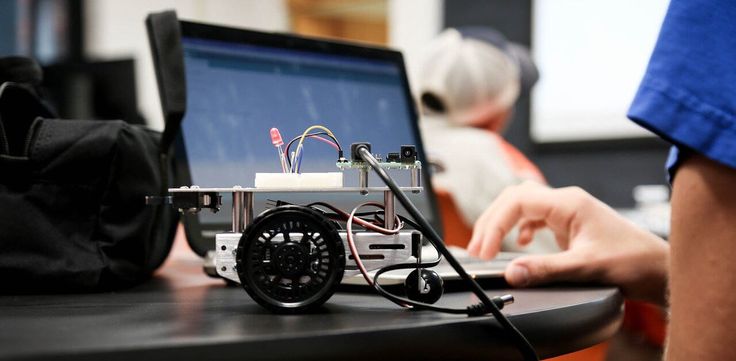
Benefits include:
- High-paying career opportunities
- Global job demand
- Innovation exposure
- Technical expertise
- Entrepreneurial opportunities
Robotics combines multiple technologies including AI, automation, coding, and engineering.
Students who master robotics can work across various industries globally.
Educational platforms like Acadvizen are helping students gain practical exposure in robotics, AI, and automation technologies to prepare for future careers.
Final Thoughts
Industrial robotics is transforming the world faster than ever before. The integration of AI, automation, machine learning, and smart technologies is creating a new industrial revolution.
Understanding the latest Industrial Robotics Trends 2026 is essential for students who want to build successful future careers.
From smart factories and collaborative robots to healthcare automation and AI-powered robotics, the opportunities in this industry are enormous.
The Future of Industrial Robotics will continue creating innovative solutions that improve productivity, efficiency, and human lives.
Students who invest time in learning robotics, AI, automation, and programming today will become the technology leaders of tomorrow.
The future belongs to those who are ready to innovate, adapt, and grow with emerging technologies.