Introduction
In the last few years, we have seen a huge transformation with the introduction of new technologies. In 2026, robots will be a mainstay across industries from healthcare to hospitality, even making their way into homes. Innovations in AI, machine learning, and IoT have made robots smarter and safer.
Less people means more demand for automation, which will improve productivity and accuracy while lowering costs. To balance this, governments are funding robotics, businesses are using smart automation, and schools are teaching robotics to prepare children for future jobs.
On the other hand, robotics is challenging. Cybersecurity, workforce changes, and the transformation of the workplace due to expensive automation are big conversations now. To succeed in a world with more automation, students and professionals must understand the advantages and barriers that robotics has to offer.
This article looks at robotics in 2026. From challenges to trends and barriers to the most thrilling prospects, the current state of robotics will be showcased.
Robotics in 2026
Modern robotics has many disciplines. Are robots just a combination of multiple different fields? Describing what robotics is in 2026. Robotics is a combination of control systems, computer science, AI, sensors and electronics. All of these combine to make mechanical systems perform tasks either fully on their own (autonomously) or with the guidance of a human.
Unlike the used-to-be usual robots, which operated on preset instructions, newer robots can:
– Analyze and interpret data and learn from it using AI.
– Analyze images and data to identify individuals and objects through the use of vision systems.
– Move through and navigate new and unfamiliar spaces.
– Interact and work with people, while observing and maintaining safety.
– Work and function in new and unpredictable environments.
– Make time sensitive complex calculations and interpret instructions.
Robots have become one of the major technologies that are integral to the current digital transformation that is underway in most industries.
Key Robotics Predictions for 2026
1. Smarter Robots
AI is the core of smarter robots. The current generation of robots can understand and interpret the spoken word, recognize patterns, analyze data and images, and operate and function in a time sensitive and unsafe environment.
Robots have the ability to learn and thus do not need to be operated in a preset and repetitive fashion. Smarter and safer robots can now be used in a variety of environments and industries, e.g. hospitals.
2. Collaborative Robots
Also called Cobots, these robots simplify repetitive and labor intensive tasks. Cobots can operate in the same space with humans without the need for protective safety measures.
Cobots are currently used in many production and manufacturing tasks including, assembly, inspection, and handling of materials.
3. Higher Functioning Humanoid Robots
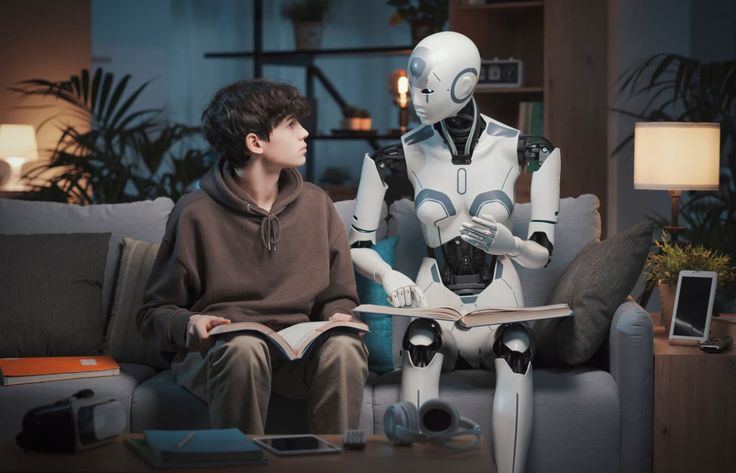
Greater advancements in robotics and AI have made humanoid robots more functional. It is predicted for the year 2026 that humanoid robots will be increasingly deployed for the support of customers in service and retail, as well as healthcare, hospitality, robotics, and even teaching.
4. AMRs
If you have been to a warehouse, factory, airport, or even a hospital recently, you might have seen an Autonomous Mobile Robot (AMR) at work.
Unlike Automated Guided Vehicles (AGVs), AMRs do not follow a fixed line or path. They can navigate on their own by sensing their environment using advanced sensors and cameras, LiDAR, and Artificial Intelligence.
They can:
Avoid colliding with other objects
Choose the best path to reach their destination in a shorter amount of time
Pick up and drop off parcels and other cargo
Change their path to their destination as new information is received and processed
Work day and night with little or no human oversight
Due to their versatility, AMRs play a vital role in the modern logistic cycle.
5. Robotics Integrated with IoT
The combination of robotics with the IoT (Internet of Things) has resulted in the development of interlinked robotic systems.
IoT based robots can interact with:
Cloud systems
Manufacturing tools
Smart sensors
Business Apps
Other robots
This communication enables the robots to perform work even more efficiently through the use of predictive maintenance, remote monitoring, and real-time process visibility.
Current Market Growth
The robotics sector is experiencing rapid global growth with the following being of key importance:
Demand for more automation
Acceleration of Artificial Intelligence
Labor shortages
Aging population
Smart manufacturing initiatives
More research and development
To stay competitive and relevant in the digital economy, businesses of all sizes and scales are adopting robotics. Emerging economies are beginning to see the value in robotics and are investing in robotics education and automation in industry.
Why Robotics is Important
Modern robots are designed to enhance and augment the safety and productivity of manual work while adding more precision and allowing people to engage in work that is more creative and strategic.
Robots are now being used to assist surgeons, and support farmers with precision agriculture, and help students learn coding through educational robots. Robotics is now part of everyday life and will be even more useful in the future to help solve worldwide issues involving healthcare and the food supply, as well as transportation and sustainability and the efficiency of industries.
Robotics Applications
Across all industries, robotics is now essential. Until recently, robotics was limited to industrial applications. The combination of advancements in AI, machine learning, computer vision, and even sensor technology and cloud computing has enabled robotics to perform a greater range of tasks and to do so with increased ease, precision, and flexibility. By 2026, all industries will be using robotics to help improve productivity, lower costs, improve safety and service.
Robotics is impacting all industries, though some more than others.
Manufacturing: The Original Industry for Robotics
Of all industries, manufacturing has the highest use of robotics. Modern manufacturing facilities are fully automated with highly intelligent robotics used to perform the hazardous and repetitive tasks that require high precision.
Some of the tasks that robotics is used to perform include:
Product assembly
Welding and soldering
Painting and coating
Material handling
Packaging
Palletizing
Quality inspection
Machine tending
Some of the benefits of using robotics for these tasks have resulted in:
Increased production speed
Consistency in product quality
Reduced manufacturing errors
Reduced costs of operation
Increased safety within the manufacturing facility
Increased capacity for manufacturing
Collaborative robots, or cobots, have also made it easier for employees to work with robotics. This has allowed companies to focus employee effort on activities that require more thought, such as decision-making and quality control, while the robotics system handles the repetitive tasks.
2. Healthcare: A New Era in Patient Care
Healthcare is one of the most rapidly expanding sectors for the use of robotics. To improve patient outcomes and alleviate the burden facing healthcare workers, hospitals and clinics are beginning to use robotic systems.
Key Uses
Robotic Surgery
Surgical robots provide greater precision and control and help make surgery less invasive. Advantages include:
Smaller incisions
Less blood loss
Faster recovery
Less pain
Reduced complications
Hospital Service Robots
Robots are used in hospitals to:
Deliver medicine
Take medical supplies to rooms
Assist in cleaning and disinfection
Help out visitors
Control inventories
Robotic Rehabilitation Systems
Robotic systems are used to help provide therapy to injured and disabled patients and to help provide in therapy in a more controlled and less tedious fashion.
Elder Care
As populations get older, robots in elder care are helping with medication reminders, mobility assistance and providing an emergency contact to help keep elders living on their own.
3. Agriculture: Smart Farming with Robotics
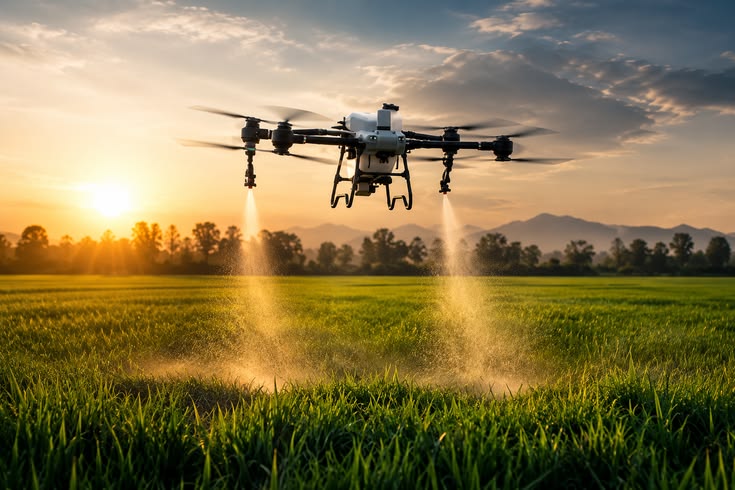
Agriculture is transforming with the use of robotics and AI. To improve yield and reduce the use of labor and resources, farmers are increasingly employing automated systems.
Use of Robotics in Agriculture
Autonomous tractors
Precision automated spraying systems
Automated irrigation systems
Crop monitoring
Weed detection
Automated harvesting
Soil analysis
Livestock monitoring
Benefits
Improved crop yields
Less water usage
Less use of pesticides
Better use of resources
Faster harvesting
More sustainable farming
Robotics helps farmers improve yields and also gives farmers a way to address labor shortages in a responsible way.
4. Logistics and Warehousing
The rapid growth of ecommerce is pushing the use of robotics in logistics and warehousing. Smart robotics is used to control inventory, move goods, and optimize the fulfillment of orders.
Common Warehouse Robots
– Autonomous Mobile Robots (AMRs)
– Robotic picking systems
– Sorting robots
– Inventory drones
– Automated forklifts
Business Benefits
– Faster order processing
– Reduced delivery times
– Improved inventory accuracy
– Lower operating costs
– Increased warehouse efficiency
Modern fulfillment centers utilize fleets of robots that maximize speed and reliability by operating continuously with minimal downtime.
5. Retail and Customer Service
Retail businesses adopt robotics for more satisfying customer experiences and efficient operations.
Retail Robotics Applications
– Inventory scanning
– Shelf monitoring
– Automated checkout
– Customer assistance
– Stock replenishment
– Cleaning services
Some retailers use AI-powered service robots to interact with customers and help answer questions, give directions, and suggest products.
These innovations make operations more efficient, and create a better experience for the customer.
6. Education: Preparing Students for the Future
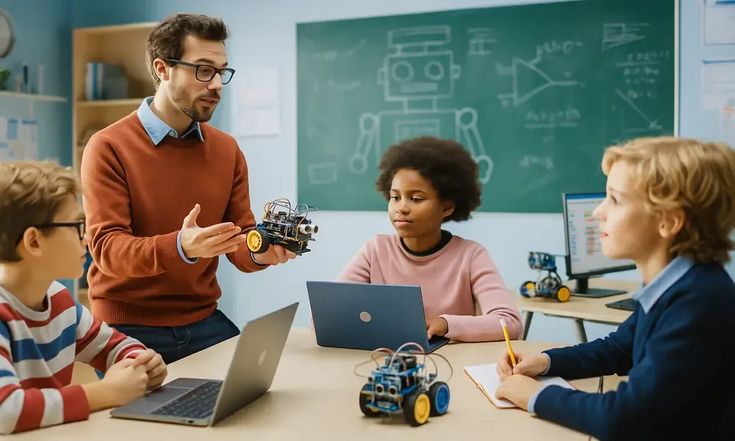
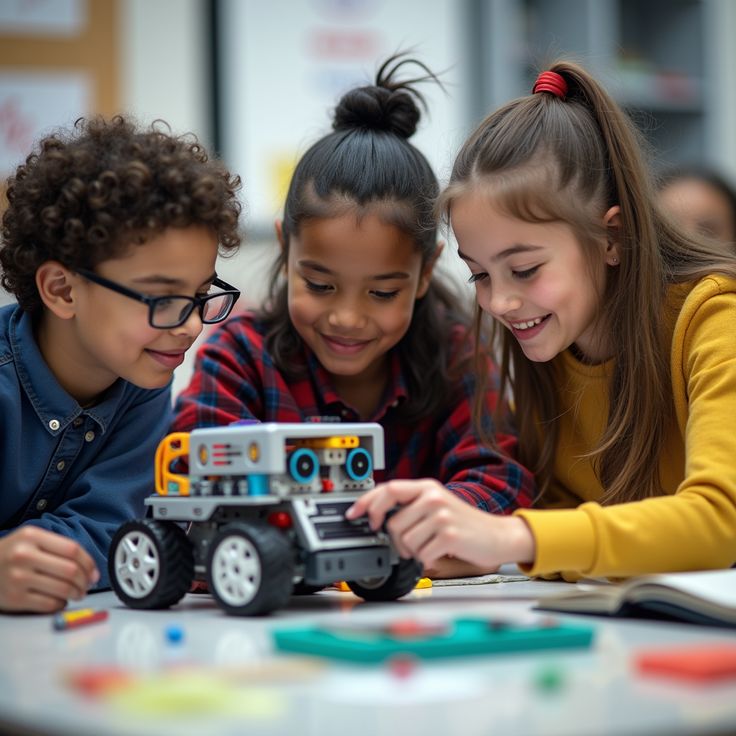
Robotics is becoming an important aspect of modern learning, and educational institutions are starting to recognize this. Schools, colleges, and universities are embedding robotics in their STEM (Science, Technology, Engineering, and Mathematics) programs to help students gain skills for careers in technology.
Benefits for Students
– Improves problem solving
– Develops creativity and innovation
– Teaches programming
– Improves teamwork and collaboration
– Improves logical thinking
– Introduces AI and automation
Robotics projects allow students to learn theory and apply it to real life problems and situations.
7. Construction Industry
Robotics are being adopted by construction companies to build faster and with more precision on building sites, and to improve safety.
Robotics Applications
Bricklaying robots
Concrete printing (3D printing)
Autonomous surveying
Demolition robots
Inspection drones
Material transportation
Benefits
Reduced construction time
Improved worker safety
Higher building accuracy
Lower labor costs
Better project management
Robotic construction systems will likely become more common, especially in infrastructure and housing projects.
8. Defense and Security
Robotics can help defense organizations conduct missions that would otherwise place human lives in danger.
Military Robotics Applications
Bomb disposal robots
Surveillance drones
Border monitoring
Reconnaissance vehicles
Autonomous underwater systems
Disaster response robots
Military and emergency services personnel are at reduced risk when these systems are implemented.
9. Space Exploration
Robotics is an important technology for both governmental and commercial organizations engaged in the exploration of planetary and space science.
Space Robotics Applications
Planetary rovers
Satellite servicing
Space station maintenance
Robotic navigation of spacecraft
Sample collection missions
Robotic technology is proven to be effective in the exploration of areas that are beyond the reach of human access.
10. Smart Homes and Service Robotics
Consumer robotics has experienced enormous growth in recent years. Smart home robotics are designed to perform household tasks.
Some Examples
Robotic vacuum cleaners
Lawn mowing robots
Window cleaning robots
Pool cleaning robots
Home security robots
Personal assistant robots
Home robots of the future will likely be able to assist with cooking, caring for the elderly, managing household tasks, and providing personalized assistance.
Continuous Adoption of Robotics
The swift acceptance of Robotics is attributed to numerous reasons:
improvement of Artificial Intelligence
Reduced cost of hardware
Better technology of sensors
Improved internet connection speeds
Integration of Cloud computing
Labor shortages
Increased productivity
Greater emphasis on safety
More automation investments
Robotics is no longer a luxury, and companies view it as a competitive need of the digital economy.
Conclusion
Robotics is a leading technology of the modern world in 2026. Its influence is beyond the automation of industries. It now affects healthcare, education, farming, logistics, retail, construction, and more. The propulsion of AI, and sensors along with machine learning and computer vision, make robotics smarter, more flexible, and better able to engage with people in a wider range of sophisticated tasks in complex settings.
The heightened use of robotics is helping organizations achieve better results with a boost to operational efficiency by lowering costs and improving safety of the workplace. This use of robotics also enhances the quality and safety of products and services. Robotics does not displace human workers, but it creates new jobs in engineering, AI, automation, software, cybersecurity, and data. By removing repetitive tasks automation allows employees to shift focus on the more important areas like creativity and strategy.
Continued growth in robotics requires responsible implementation. To ensure a positive societal impact from robotics and reduce risks, Ethical AI, cybersecurity, and data privacy, along with the reskilling of the workforce and responsible governance, will be important. Creation of policies and systems to prepare society for an automated future will require collaborative efforts of governments, businesses, educational institutions, and technology experts.
The current era presents an unprecedented opportunity for the adoption of robotics for organizations and individuals alike. Learning and mastering robotics, AI, programming, and automation will offer an advantage over others in the future workforce due to the creation of new jobs and professions that will emerge because of the ongoing digital transformation.
The future of robotics and automation is synergistic and collaborative. Together with intelligent machines, people will create a more innovative, safer and more sophisticated world.
FAQ:
1. How big is the robotics industry in 2026?
The global robotics market reached roughly $38 billion in 2026, marking a 34% year-over-year increase — the fastest growth rate the sector has seen in a decade. Industrial robot installations alone reached an all-time high value of US$16.7 billion.
2. What’s the biggest trend in robotics right now?
Humanoid robots moving from prototypes to real deployment. Hardware is being commoditized fast — fourteen manufacturers now make sub-$10K robotic arms, and twelve commercial humanoid platforms are available for purchase or lease. Pioneered by the automotive industry, humanoid applications in warehousing and manufacturing are now coming into focus worldwide, with companies moving beyond prototypes to real deployments.