Introduction
With our society being as digital as it is, so many individuals being reliant on electronic means of communication has heightened the importance of securing a digital footprint. Because digital means of conducting business operations is the current norm, government offices, schools, and businesses all rely on cyber means to conduct business.
As technology improves and becomes more pervasive, so do the threats to cyber security. To keep up with the threats to security, more organizations are using artificial intelligence (AI) to bolster the security being used to protect digital systems. The merger of AI and cybersecurity is changing how systems are protected from and respond to breaches.
What is Cybersecurity?
The goal of cybersecurity is to protect technology and the data it holds from threats to its integrity. Cybersecurity allows organizations to keep the data and information of their users and clients private. It is important that the trust and safety of customers and clients are preserved.
Why Cybersecurity is Important
The innovations of technology, especially those to improve communication, have brought the world closer together. Unfortunately, convenient technology has made things easier for criminals. Cyberattacks are an ever-present threat to the safety and integrity of business. Cyber threats are now a fact of life for every business, and this has made cybersecurity a fundamental aspect of business success and a critical part of the safety and security of nations.
Common Cyber Threats
Worldwide, threats to personal and organizational cybersecurity come in many forms. Phishing attacks lure the victim into revealing personal information using fake emails or websites. Ransomware takes data hostage until a ransom is paid. Malware, spyware, and viruses destroy data and infrastructure. Data breaches grant unauthorized access to personally identifiable information.
Denial of service attacks flood a network with too much traffic for a service to handle. Cybersecurity is compromised by the most dangerous insider threats: employees and contractors. Attacks will continue as technology and methods of cybercrime evolve. The importance of placing a premium on cybersecurity should be obvious.
Understanding Artificial Intelligence in Cybersecurity
Artificial Intelligence is the ability of advanced computer systems to complete tasks that require human cognitive abilities. Cybersecurity is the protection of computer systems and data from disruption, destruction, or theft. Artificial Intelligence is the advanced computer systems ability to make decisions and complete cognitive tasks, that is aiding cybersecurity by analyzing data, identifying threats, and responding in real time.
How AI is Transforming Cybersecurity
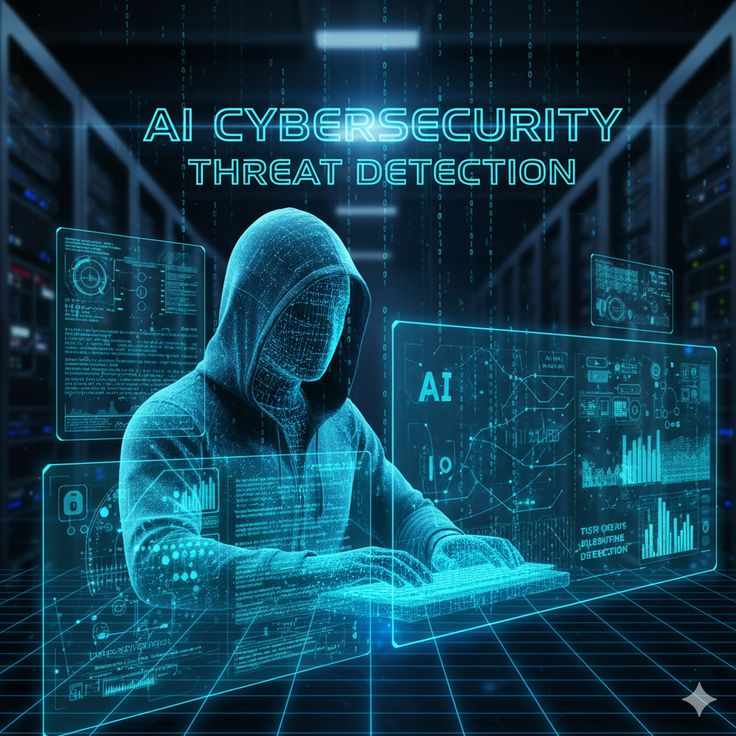
Artificial Intelligence is revolutionizing cybersecurity through its capabilities in threat detection and response. Continuous monitoring of a network to detect abnormal behaviors that may signify an attack is a task easily completed by an AI based cyber system. Machine learning takes this a step further, utilizing historical data to construct a framework from which to detect anomalies and potential threats. AI will even complete cybersecurity tasks such as analysis, assessments, and incident responses, providing a greater time value for the cybersecurity workforce.
Automated spending pattern analysis is one way some financial institutions use AI to catch fraudulent transactions. This kind of pattern analysis is used by some healthcare organizations to keep patient data safe by preventing unauthorized access. Large enterprises have the ability to secure the cloud and protect their infrastructure and applications with AI-driven security tools. These use cases for AI technology in cybersecurity make it one of the most critical tools of the trade.
Pros of AI in Cybersecurity
There are many wins that come from using AI in cybersecurity. AI makes threat detection faster and more accurate by monitoring large sets of data and cutting down the number of false positive alerts. Systems governance is made less burdensome and more cost effective with the added benefit of automation and augmented security operations. AI also enables more informed choices. All of these factors help organizations defend against threats and improve their operations.
Cons of AI in Cybersecurity
AI in cybersecurity creates a whole new conflict of interest. This is especially true for the bad actors that use AI to improve their techniques for phishing or to target a larger audience with malware. AI security tools are also costly and consume a lot of data. This creates a concern for data privacy. The technologies used in AI are also a barrier to small organizations in that a level of crossover knowledge in AI and cybersecurity is needed to even implement security tools. This all said, the security enhancements offered with AI far outweigh the concerns.
The key areas of Cyber Security
There are several domains of Cyber Security. The first domain is network security, whose main task is the protection of the infrastructure of the network from both the inside and the outside. Then, there is the security of the cloud, which contains both the applications and the data stored in the cloud. The next domain, application security, is the security of the software development life cycle. Information security protects information from both theft and abuse. Additionally, endpoint security protects Laptops, Smartphones, IoT devices, etc. Finally, Identity and Access Management (IAM) is the security domain that deals with the permissions of users in order to provide access to resources only to the users that are authorized.
Cyber Security in Education
More educational institutions are incorporating Cyber Security programs to prepare students for technology-based careers. Schools and colleges are beginning to teach Cyber Security, Cyber Security-based Artificial Intelligence, and Cyber Security-based Machine Learning and Robotics in efforts to build tomorrow’s workforce.
Students will be better prepared with knowledge in ethical hacking, networking security and threat analysis and by learning digital forensics through real world projects. A RapidAI360 is an example of an organization that assists educational institutions with the provision of industry-centered programs to facilitate the acquisition of hands-on experience of students in the emerging technologies.
Career Opportunities in Cyber Security
Cyber Security is one of the career fields that has grown the most worldwide. Due to the growing number of threats in cyberspace, the protection of cyber assets has created numerous job openings. Some of these career fields are Cyber Security Analyst, Ethical Hacker, Penetration Tester, Security Engineer, Cloud Security Specialist, Security Operations Center (SOC) Analyst, Digital Forensics and Chief Information Security Officer (CISO).
The rapid advancement of Artificial Intelligence (AI) in the workforce has generated job openings for Cyber Security-based AI practitioners who will create AI-based security systems and threat detection. The career opportunities in these fields is highly lucrative and the growth potential will be sustained over a long period of time.
The Future of Cybersecurity with AI Advancement
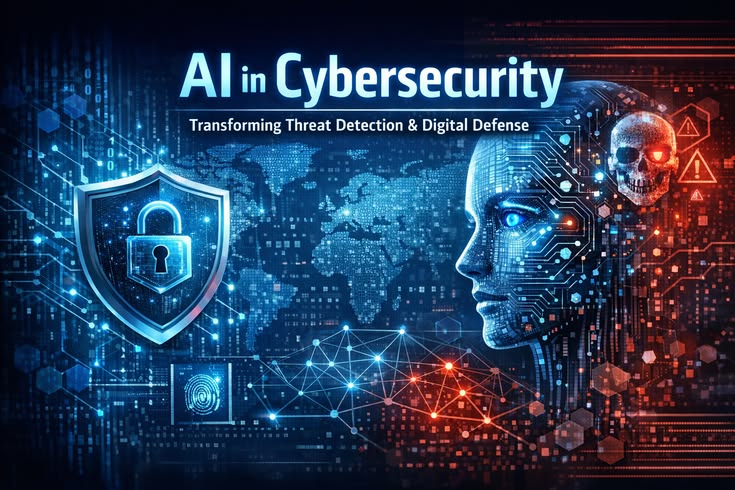
The impact of AI on the future of cybersecurity will be significant. Security platforms will be AI-powered and allow threats to be detected and responded to automatically and immediately. There will be widespread use of Zero Trust Security, where no user or device will be trusted.
Behavioral analytics will be used to identify threats that come from within the organization, as well as to identify unusual and suspicious activity by users. New quantum computing security threats and challenges will require organizations to implement new forms of quantum-resistant encryption.
The number of IoT devices connected to the Internet is projected to be in the tens of billions. The ability to secure all these devices will be very important as well. Finally, fully autonomous security systems that can detect and respond to threats without the need for human involvement will also be important.
Cyber Security Tips
If individuals and organizations follow cyber safety tips and best practices, cybersecurity will be better. Create strong passwords that are unique for each account and use MFA. Keep software and programs updated. Important data should be backed up. Don’t open suspicious links and attachments. Employees need to be aware of and educated on cyber threats. The best way to identify threats is through constant monitoring and assessments. The combination of these practices with AI security tools will give the best defense against cyber threats.
Conclusion
With the increase in technology comes the increase in more complex cyber threats, so more advanced techniques are needed to protect sensitive information and critical systems. Cybersecurity has become a critical component of protecting information and systems in the digital age. Cybersecurity coupled with AI will open the door for further innovation, application, and profession. Learning cybersecurity and AI today will help prepare you for the future challenges and threats.
Frequently Asked Questions
1.What is Cybersecurity?
Cybersecurity is protecting systems, networks, and programs from digital attacks.
2.How does AI help Cybersecurity?
AI assists Cybersecurity by threat detection, pattern analysis, and attack prediction and it also automates security operations and improves response times.
3.Why is Cybersecurity Important?
Cybersecurity protects sensitive information and data, protects from financial and data losses and increases privacy.
4.What are the common cyber threats?
Common cyber threats include phishing, data theft, malware, ransomware, insider threats, and denial of service (DoS) attacks.
5.Does AI replace Cybersecurity professionals?
No. AI will help Cybersecurity professionals by automating tasks and improving threat detection.
6.Is a Cybersecurity career good in 2026?
Yes, without a doubt, Cybersecurity will be one of the most sought-after and high-paying careers.
7.What are the important Cybersecurity skills?
Important skills include networking, ethical hacking, cloud security, programming, threat analysis, and AI.