Introduction
Education must equip students with skills for the future workforce; however, the use of automated technologies is in every industry, and traditional approaches to teaching are now obsolete. The teaching of only the theory of subjects is insufficient.
Hands-on learning that incorporates AI and robotics provides the means for students to learn theory and apply it through the many projects they are offered. The best way to learn is to do, which is why the team at Rapid AI 360 uses active learning pedagogy in the design of the AI and robotics programs.
We will describe the positive impact of active learning pedagogy, and the use of AI and robotics in the classroom, and consider why students should adopt innovative practices.
What is Project-Based Learning?
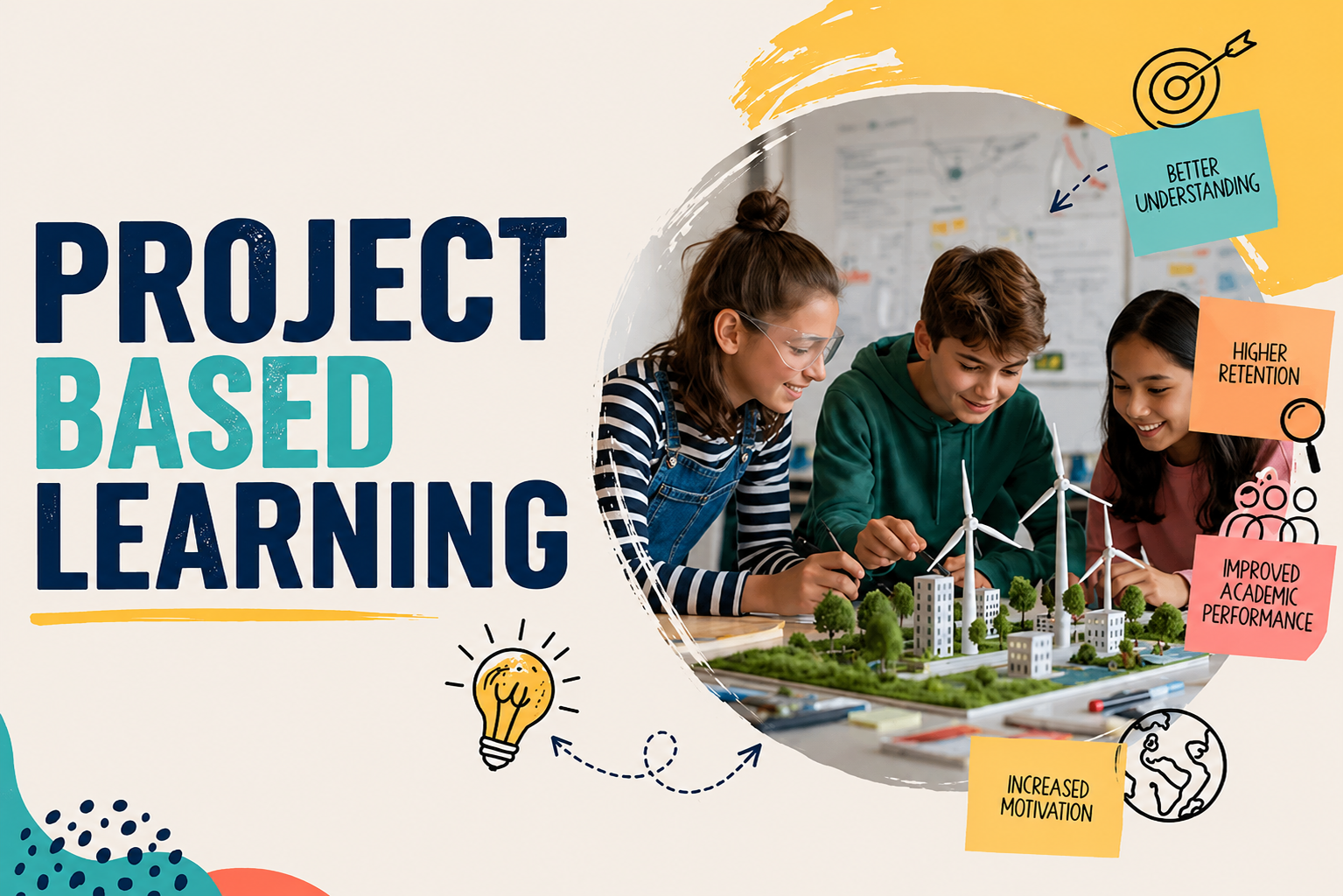
Learning by doing is at the core of project-based learning (PBL). Students learn a subject over a significant time span by doing a project. Rather than passively learning and regurgitating information, students learn by doing.
Project-Based Learning (PBL) makes education interactive as students engage in activities that develop skills in:
– Critical thinking
– Problem solving
– Teamwork
– Research
– Knowledge application
– Communication
– Technical skills
PBL, when combined with artificial intelligence (AI) and robotics, offers an even greater opportunity for interactive learning.
Importance of A.I. and Robotics in Learning
AI and robotics are one of the fastest growing technologies in the world. Many industries, including healthcare, manufacturing, transportation, agriculture, cybersecurity, finance, and even education, have begun to utilize automated intelligent systems.
Industry reports predict that the coming decade will see millions of new employment opportunities in AI, robotics, and automation.
The earlier students gain knowledge and skills in these technologies, the greater the advantage they will enjoy in the future:
– Better careers
– Employment
– Technical skills
– Innovation
– Entrepreneurship
This is the rationale of the increasing integration of **AI and Robotics Education** into the curricula of schools and colleges.
Project Based Learning (PBL) in AI and Robotics Education
Learning AI and robotics through lectures only is very difficult, as these fields include both complex theoretical concepts and practical skill exercises.
PBL makes learning in these fields easy, as students learn both concepts and skills by applying them in real life situations.
This can include the ability to:
– Build autonomous robots
– Write AI applications
– Create smart devices
– Develop recognition software
– Write programs for robotic vehicles
– Design systems for machine learning
Experiential learning helps students learn complex concepts and retain that knowledge for longer periods of time.
Benefits of Project-Based Learning with AI and Robotics
1. Problem Solving Skills
Project-based learning improves student’s ability to solve problems. Students deal with real-world problems such as:
– Issues with robot navigation
– Integration of sensors
– Programming issues
– Challenges with data analysis
Learning how to solve problems teaches students how to think critically and analyze objectively.
2. Creativity and Innovation
AI and robotics allow students to make their ideas real. Students are able to build:
– Smart robots
– AI chatbots
– Automated systems
– Games
– Intelligent apps
Creativity and innovation are essential in entrepreneurship, as are these projects.
3. Technical Skills
Students are able to learn many different skills. These include but are not limited to:
– Programming
– Machine Learning
– Robotics
– Electronics
– Sensors
– Data
– AI
Technical skills are in demand in the current job market.
4. Teamwork and Collaboration Skills
Most of the projects with AI and Robotics require working in teams.
Students are able to learn the following skills:
– Communication
– Leadership
– Project management
– Teamwork
– Collaboration
– Resolving conflicts
All of these skills contribute to being successful in a career.
5. Confidence
Completing projects gives students a feeling of real accomplishment. There is a measurable increase in self-confidence.
Popular Robotics Projects for Students
There are many different projects with robotics that students are able to participate in based on their level of skill.
Beginner Projects
– Line Following Robot
– Obstacle Avoidance Robot
– Light Tracking Robot
– Bluetooth Controlled Robot
– Smart Alarm System
Intermediate Projects
– Voice Controlled Robot
– Smart Home Automation
– Robotic Arm
– Gesture Controlled Robot
– Face Recognition Robot
Advanced Projects
– Autonomous Delivery Robot
– AI-Powered Surveillance System
– Self-Driving Vehicle Prototype
– Healthcare Assistance Robot
– Agricultural Automation Robot
Making learning fun is one of the key facets of education, particularly in a field like STEM. One way to fulfill that goal is to allow students to gain hands-on experience.
AI Projects for Students
AI is a rapidly developing field that makes a great candidate for project-based experiential learning.
Beginner AI Projects
– Chatbot Development
– Image Classification
– Spam Detection System
– Voice Recognition Application
– Language Translation Tool
Intermediate AI Projects
– Emotion Detection System
– Recommendation Engine
– Attendance Recognition System
– AI-Powered Virtual Assistant
– Student Performance Predictor
Advanced AI Projects
– Medical Diagnosis System
– Autonomous Navigation Model
– Fraud Detection Platform
– Smart Traffic Management System
– Predictive Analytics Dashboard
To make learning enjoyable, This set of projects is aimed at incorporating some of the real-world applications of AI into education.
How AI and Robotics Support STEM Education Programs
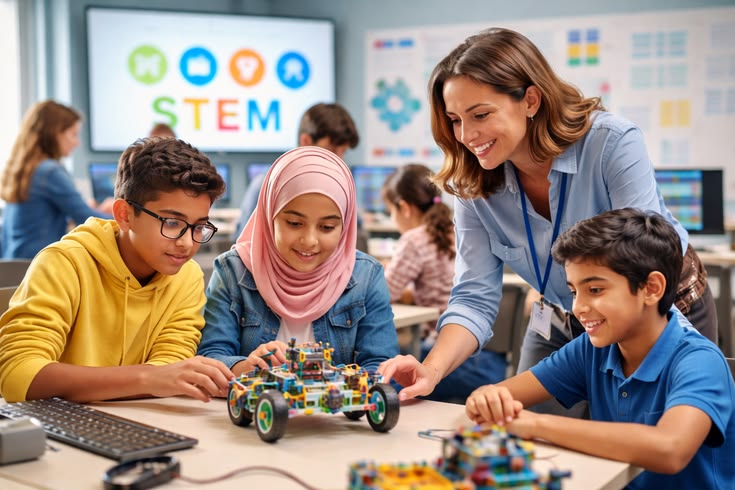
AI and robotics cover all the modules contained in STEM education.
Science
Through experimentation, students learn scientific concepts.
Technology
Students learn about and work with current technologies and software.
Engineering
Students learn to design and build mechanical systems.
Mathematics
Students learn to code with and use mathematical concepts in the field of machine learning.
This integrated learning model establishes a firm foundation for students to pursue further studies.
Real-World Applications Students Can Explore
One of the advantages of project-based learning is its focus on activities that have real-world applications.
Healthcare
Examples of projects include:
– Robots that aid healthcare delivery
– Diagnostic and treatment devices
– Patient monitoring systems
Agriculture
Examples of projects include:
– Automated farming
– Robotics for crop monitoring
– Smart irrigation technology
Smart Cities
Possible projects include the design of:
– Environmental monitoring systems
– Intelligent lighting systems
– Smart traffic systems
Education
Examples of AI projects include the design of:
– Virtual learning assistants
– Automated grading systems
– Adaptive learning systems
Tech project design such as these gives students a better understanding of the intersection between technology and problem-solving.
The Worldwide Future of Learning AI
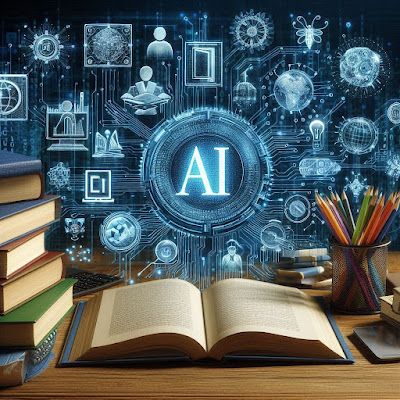
The job market is expected to continue the rapid growth of AI technologies and the demand for AI skills.
Examples of future applications of AI technologies include:
– Smart manufacturing
– AI in Healthcare
– AI in transportation systems
– AI in education
– AI in advanced security systems
Learning AI today gives students a distinct advantage in the workforce of the future.
Project-based learning ensures students are technologically innovative and creative as opposed to just being technology consumers.
—
How Rapid AI 360 Supports Project-Based Learning
Learning by doing is the most effective form of learning and the focus of all our programs at Rapid AI 360.
Our programs include:
Practical Learning
Live projects are the focus of learning, as opposed to theoretical learning.
Future-Ready Learning
The primary focus of our programs is the technologies that are shaping the future of work.
Guided Learning
Learning is done under the guidance of professionals and subject-matter experts.
Creative Learning
Students are provided the requirements to be imaginative and creative in their solutions to design.
Career-Focused Learning
Our career-oriented courses include pathways in AI, Robotics, Cyber Security, Data Science, and Machine Learning.
Student Development from AI and Robotics Projects
Learn-by-doing helps students gain both technical and soft skills.
Technical Skills
– Programming
– Building AI
– Building ML
– Building Robotics
– Data Analysis
– Computer Vision
Soft Skills
– Communication
– Leadership
– Teamwork
– Creativity
– Time Management
– Critical Thinking
Changing workforce demands dictates that educational institutions also change.
School and college specific advantages include:
– Better students engagement
– Better academic results
– Better tech literacy
– Better innovation culture
– Better career readiness
Combining project-based learning with AI and Robotics creates a future-ready student.
Obstacle 1: Limited Resources
Solution
Collaborate with companies like Rapid AI 360 that provide training and tools.
Obstacle 2: Lack of Tech Knowledge
Solution
Training of teachers and provide mentorship from the industry.
Obstacle 3: Complex Technology Concepts
Solution
Use scaffolded project-based learning paths to build skills step-by-step.
Obstacle 4: Low student motivation
Solution
Focus on projects that students find exciting and that also have real-world value.
Educational Interest in AI and Robotics: Forecasts
A number of trends are determining educational pathways.
AI + Learning made for the Individual
Learning experiences will reflect the needs of the students.
Collaborative Robotics
Students will engage with more advanced robots.
Virtual and Augmented Reality
Learn-by-doing will become more immersive.
Physical AI Systems
Autonomous robots will be more intelligent.
Industry Partnerships
Schools will work with tech companies to build better partnerships to support skill-based learning during school hours.
Conclusion
AI and robotics-integrated Project-Based Learning is an interactive and applicable educational paradigm with an emphasis on the future. Learning by doing cultivates a skillset of critical thinking, creativity, technical skills, and problem-solving. This skillset prepares students for the digital world of tomorrow.
The adaptive nature of AI, robotics, and automation is certain to disrupt workplaces. As a result, students will need to be prepared for the workplace of the future. There is no better educational approach to accomplish this than Project-Based Learning.
At **Rapid AI 360**, we believe in preparing students with learning experiences that integrate technology, creativity, and problem-solving within a new context. By preparing students with AI and robotics education, we believe that students have the potential to be the innovators and builders of the future.
Frequently Asked Questions (FAQs)
1. What is Project-Based Learning with AI and Robotics?
Project-Based Learning with AI and Robotics is an educational method that integrates the construction and implementation of AI and robotics projects to solve real-world problems.
2. Why is AI and Robotics Education important for students?
AI and robotics education provides students with essential skills, including programming, problem-solving, critical thinking, and nurtures an innovative mindset that will help students with their future careers.
3. What are some beginner robotics projects for students?
Projects for students in robotics as a beginner tend to include line following robots, obstacle avoidance robots, bluetooth operated robots, and smart alarm systems.
4. What careers can students that have learned AI and robotics get?
Careers that students can have learning AI and robotics include AI Engineer, Robotics Engineer, Machine Learning Specialist, Data Scientist, Cybersecurity Analyst, Automation Engineer, and Software Developer.
5. How does Rapid AI 360 teach students AI and robotics?
Rapid AI 360 creates pathways from learning AI and robotics through project based learning, industry tailored curriculum, hands on training, technology of the future, and guided by experts.