Why Class 11–12 Is the Perfect Time to Start Learning Robotics
In today’s rapidly evolving technological landscape, robotics stands at the forefront of innovation, blending engineering, programming, artificial intelligence, and creative problem-solving. For students who have just completed Class 10 and are entering the crucial senior secondary phase (Class 11 and 12), this is an ideal window to dive into a robotics course for beginners. Parents and students often wonder about the right timing for such specialized training. The answer is clear: Class 11–12 offers the perfect balance of maturity, academic flexibility, and future-oriented preparation. This article makes a comprehensive, timing-based case for early enrollment in robotics training for school students, highlighting how it aligns with STEM education for students and the advantages of learning robotics after Class 10.
The Post-Class 10 Transition: A Strategic Moment for Skill-Building
After the board exams of Class 10, students experience a significant shift. The pressure of standardized testing eases somewhat, and they gain the freedom to choose streams—Science, Commerce, or Arts. For those inclined toward science and technology, this juncture is transformative. Enrolling in a robotics course right after Class 10 allows students to apply foundational concepts from mathematics, physics, and basic computing in practical ways.
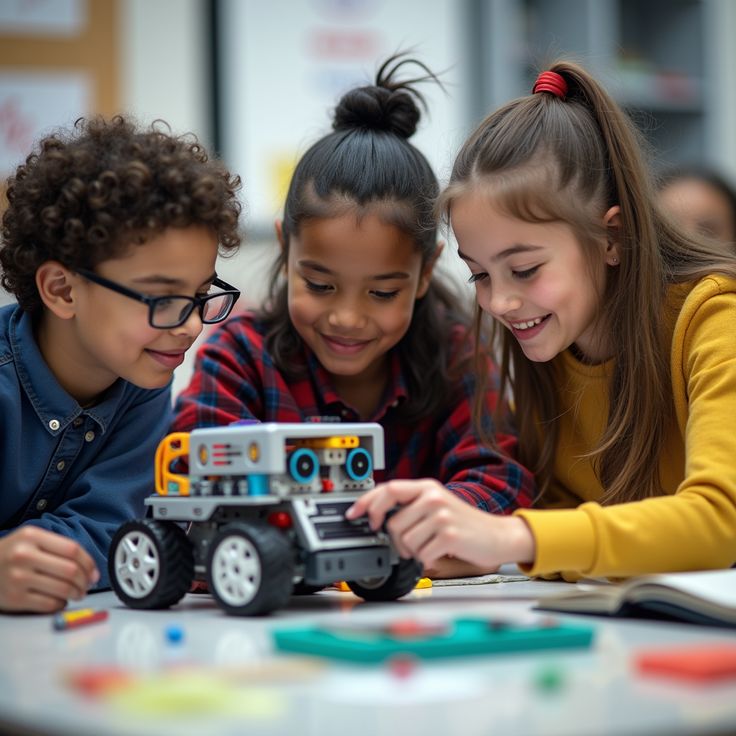
Class 11–12 curricula in many boards, including CBSE and state boards in India, emphasize deeper theoretical knowledge. However, without hands-on application, these concepts can feel abstract. A beginner-friendly robotics program bridges this gap. Students learn to build and program robots using platforms like Arduino, Raspberry Pi, or LEGO Mindstorms, turning equations into moving machines. This timing ensures that learning robotics complements school studies rather than competing with them.
Parents often worry about overloading their child during these “make-or-break” years for competitive exams like JEE or NEET. Yet, well-designed robotics courses for Class 11–12 students are modular and flexible. Weekend or after-school sessions fit seamlessly, enhancing rather than hindering academic performance. Studies show that students engaged in practical STEM activities often see improved motivation and even better grades in related subjects.
Why Not Earlier or Later? The Timing Advantage Explained
Starting robotics too early, say in primary or middle school, builds curiosity but may lack the depth possible with older teens who possess stronger mathematical and logical foundations. By Class 11, students have covered algebra, geometry, trigonometry, and introductory physics—core prerequisites for understanding robot kinematics, sensors, and control systems.
Delaying until college, on the other hand, means missing out on crucial formative years. College admissions and scholarships increasingly value demonstrated extracurricular excellence in STEM. A student who starts a robotics course for beginners in Class 11 can participate in competitions like World Robot Olympiad (WRO), FIRST Tech Challenge, or national robotics events by Class 12, building a standout portfolio.
This period also coincides with heightened self-awareness. Adolescents in senior secondary are exploring career identities. Exposure to robotics helps them discover passions in mechanical engineering, AI, automation, or mechatronics early, allowing informed stream or major choices. Learning robotics after Class 10 positions students ahead of peers who wait, creating a competitive edge in college applications and internships.
Building a Strong Foundation in STEM Education for Students
STEM education for students—Science, Technology, Engineering, and Mathematics—is not just about academics; it’s about cultivating 21st-century skills. Robotics is the ultimate integrator of these disciplines.
- Science: Students experiment with physics principles like force, motion, gravity, and electricity through robot design.
- Technology: Programming languages such as Python, C++, or block-based coding teach computational thinking.
- Engineering: Designing, prototyping, and iterating on robot structures fosters engineering design processes.
- Mathematics: Calculations for trajectories, algorithms, and data analysis become tangible.
Research indicates that educational robotics has moderate to strong positive effects on STEM learning outcomes, including problem-solving and conceptual understanding. Hands-on projects increase engagement, making abstract theories memorable. For instance, building a line-following robot reinforces concepts of sensors and feedback loops, while a robotic arm project delves into mechanics and programming logic.
In the Indian context, where India produces millions of STEM graduates annually but faces quality and skill gaps, early practical training is vital. Robotics training equips students with industry-relevant skills that go beyond rote learning, addressing the needs of a technology-driven economy.
Career Prospects: Aligning with the Booming Robotics Industry
The global robotics market is exploding. The industrial robotics sector is projected to reach significant growth figures in the coming years, with surging demand for skilled professionals. Roles in automation, autonomous vehicles, healthcare robotics, agriculture drones, and defense systems are expanding rapidly. Starting in Class 11–12 gives students time to build expertise, certifications, and projects that make them attractive to universities and employers.
In India, the push for “Make in India” and Industry 4.0 amplifies opportunities. Students trained in robotics can pursue degrees in robotics engineering, mechatronics, or AI, leading to high-demand careers. Early starters often secure better internships during college, accelerating their professional trajectory.
Moreover, robotics fosters transferable skills: critical thinking, creativity, collaboration, and resilience. These are prized across fields, from software development to management consulting. A robotics background signals initiative and technical proficiency to admissions officers and recruiters.
Developing 21st-Century Skills Through Robotics Training
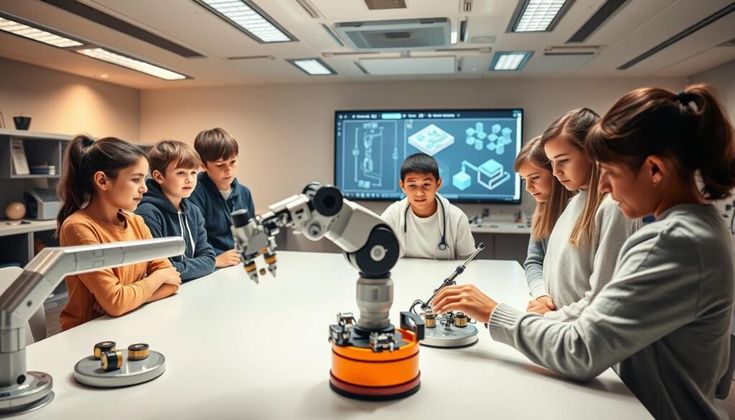
Beyond technical knowledge, robotics training for school students nurtures holistic development:
- Problem-Solving and Critical Thinking: Debugging code or fixing mechanical failures teaches persistence and systematic troubleshooting.
- Creativity and Innovation: Designing unique robot solutions encourages out-of-the-box thinking.
- Teamwork and Communication: Most projects involve group work, mirroring real engineering environments. Students learn leadership, conflict resolution, and presentation skills.
- Digital Literacy and Coding: Even beginner courses introduce programming, preparing students for a digital-first world.
- Emotional Intelligence and Grit: Facing failures in iterations builds resilience—an essential life skill.
These benefits are amplified in the Class 11–12 phase when students are mature enough to handle complex projects and reflect on their learning.
Addressing Common Concerns for Parents and Students
Time Management: Many fear that robotics will distract from board exams or entrance preparations. However, integrated programs often align projects with syllabus topics, reinforcing learning. Time-bound challenges improve efficiency.
Prerequisites: A good robotics course for beginners requires no prior experience. It starts with basics and progresses, making it accessible for all science-stream students.
Cost and Accessibility: While some programs involve kits, many institutions offer affordable or scholarship options. Online-hybrid models increase reach, especially in tier-2 and tier-3 cities.
Gender Inclusivity: Robotics can help bridge gaps in STEM participation, encouraging more girls to explore technology through collaborative, creative projects.
What a Typical Robotics Course for Class 11–12 Looks Like
An effective program includes:
- Foundational Modules: Electronics, sensors, actuators, and basic programming.
- Intermediate Projects: Autonomous vehicles, robotic arms, or IoT-integrated systems.
- Advanced Topics: AI/ML basics, computer vision, and competition preparation.
- Mentorship and Competitions: Guidance from experts and participation in events.
- Portfolio Building: Documentation of projects for college applications.
Courses emphasize safety, ethics in AI, and real-world applications, preparing students responsibly.
Real-World Impact and Success Stories
Numerous students who started robotics in senior secondary have excelled. Some have won national and international competitions, secured admissions to top engineering colleges, or even launched startups. Schools integrating robotics report higher student engagement and better STEM outcomes.
For example, participants in robotics clubs often develop prototypes solving local problems, such as waste-sorting robots or assistive devices, fostering social impact alongside technical growth.
How to Get Started: Practical Steps for Enrollment
- Research reputable programs offering robotics training for school students tailored to Class 11–12.
- Assess your child’s interests and schedule.
- Attend demo sessions or webinars.
- Start with beginner modules to build confidence.
- Combine with school studies for synergistic learning.
Parents should view this as an investment in future readiness, not an extracurricular burden.
Robotics clubs are extracurricular or co-curricular groups where students collaborate on building, programming, and competing with robots. For Class 11 and 12 students, joining or starting a robotics club is an excellent way to reinforce skills from a robotics course for beginners, deepen STEM education for students, and prepare for competitions while learning robotics after Class 10.
What Happens in a Robotics Club?
In a typical school robotics club, students:
- Work on hands-on projects (e.g., line-following robots, robotic arms, autonomous vehicles).
- Learn coding (Python, C++, Java, or block-based), electronics, mechanics, and sensor integration.
- Collaborate in teams for design, troubleshooting, and iteration.
- Participate in school-level demos, local events, or national/international competitions.
- Document projects, make presentations, and sometimes engage in outreach (teaching younger students).
Clubs often meet after school, on weekends, or during dedicated periods, making them compatible with board exam preparation.
Benefits for Class 11–12 Students
- Skill Development: Practical application of physics, math, and computing; fosters problem-solving, creativity, and resilience.
- College and Career Edge: Strong extracurricular profile for engineering admissions, scholarships, and resumes. Demonstrates leadership and initiative.
- Teamwork and Soft Skills: Mirrors real-world engineering environments.
- Motivation and Fun: Provides a creative outlet that boosts engagement in academics.
- Networking: Connect with mentors, alumni, and peers passionate about technology.
How to Join or Start a Robotics Club
Joining an Existing One:
- Check with your school’s science/STEM department or extracurricular coordinator.
- Look for clubs affiliated with FIRST, VEX, WRO, or local programs.
- Community options: After-school centers, makerspaces, or online/hybrid clubs in many Indian cities.
Starting a New Club (Practical Steps):
- Gauge Interest: Survey students and get a teacher/faculty sponsor.
- Secure Support: Present a proposal to the principal highlighting educational benefits, low initial costs (many kits are reusable), and alignment with NEP 2020/STEM goals.
- Resources: Start with affordable kits (Arduino, Raspberry Pi, LEGO). Seek grants from organizations like VEX, FIRST, or Indian STEM foundations.
- Structure: Define meeting schedules, roles (team lead, programmer, builder), and goals (e.g., one project per term + competition participation).
- Curriculum Integration: Link projects to Class 11–12 syllabus topics for dual benefits.
Many schools in India have successfully launched clubs that feed into national events like WRO India or Avishkaar leagues.
Popular Frameworks and Affiliations for School Clubs

- FIRST Programs (FTC/FRC): Structured support, competitions, and mentorship networks.
- VEX Robotics: Flexible and widely accessible for school teams.
- WRO-Affiliated Clubs: Focus on themed challenges and international exposure.
- Local/Indian Initiatives: Clubs tied to India STEM Foundation, Avishkaar, or IIT outreach programs.
Tips for Success in Class 11–12
- Balance time: Use club activities to reinforce exam concepts (e.g., electronics for physics).
- Document everything: Build a portfolio for college applications.
- Seek mentorship: Invite engineers or alumni for sessions.
- Inclusivity: Encourage diverse participation, including girls in STEM.
Robotics clubs turn individual learning from a course into a community experience, amplifying growth and opportunities. Whether joining an established one or starting fresh, it’s one of the best investments for students aiming for tech-driven futures. If your school doesn’t have one yet, now (in Class 11) is the ideal time to initiate it! Parents and students can reach out to course providers or local STEM organizations for guidance and resources.
Conclusion: Seize the Perfect Timing
Class 11–12 represents a golden window—post-foundational schooling but pre-specialized higher education. It’s when students can deeply engage with STEM education for students, acquire practical skills through a robotics course for beginners, and strategically position themselves for thriving careers by learning robotics after Class 10.
The future belongs to those who can create, innovate, and adapt with technology. By enrolling early in robotics training for school students, parents empower their children not just to keep pace with change, but to lead it. Don’t let this pivotal time slip by. Explore robotics programs today and unlock a world of possibilities for your aspiring innovator.
FAQ: Why Class 11–12 Is the Perfect Time to Start Learning Robotics
1. Why should students start learning robotics in Class 11–12?
Class 11–12 is the ideal stage because students have a stronger foundation in Physics, Mathematics, and Computer Science, making it easier to understand robotics concepts and real-world applications.
2. Do I need coding experience to learn robotics?
No. Most beginner robotics courses start with the basics of programming and gradually introduce advanced concepts like automation, sensors, and AI.
3. Which subjects help in learning robotics?
Physics, Mathematics, Computer Science, Electronics, and Mechanical concepts are helpful, but students from any stream can begin with the right guidance.
4. What skills will I gain from a robotics course?
You’ll develop programming, problem-solving, critical thinking, electronics, automation, teamwork, and innovation skills that are valuable across many careers.
5. Can robotics help with college admissions?
Yes. Robotics projects, competitions, and certifications strengthen your academic profile and demonstrate practical STEM skills during college applications.
6. What career opportunities are available after learning robotics?
Robotics opens doors to careers in AI, Automation, Mechatronics, Manufacturing, Aerospace, Healthcare Technology, Industrial Robotics, and Research & Development.
7. Is robotics only for engineering students?
No. Robotics is suitable for students interested in technology, innovation, coding, or automation, regardless of whether they choose engineering later.
8. Can robotics improve problem-solving and creativity?
Absolutely. Building robots involves designing, testing, troubleshooting, and improving solutions, which enhances creativity, logical thinking, and analytical skills.
9. Will learning robotics help with future jobs?
Yes. Robotics, AI, and automation are among the fastest-growing industries, and early exposure gives students a competitive advantage in future careers.
10. How can Class 11–12 students get started with robotics?
Students can join a beginner-friendly robotics program that includes hands-on projects, coding, electronics, AI fundamentals, and mentorship to build practical skills and confidence.