In an era where data breaches make headlines almost daily and cyber threats evolve faster than technology itself, cybersecurity careers stand out as one of the most dynamic, rewarding, and in-demand fields globally.
Schools and traditional education systems often focus on theoretical concepts, basic programming, or general IT knowledge, but they frequently fall short in preparing students for the practical realities of the profession. That’s where specialized cybersecurity training institutes step in, bridging the gap with hands-on experience, industry insights, and career-focused guidance.
This comprehensive guide dives deep into what schools don’t teach you about cybersecurity careers—and what we emphasize at forward-thinking cybersecurity training institutes. Whether you’re exploring how to start a cybersecurity career, building cybersecurity skills for beginners, considering a cybersecurity certification course, or eyeing cybersecurity career opportunities, this article equips you with actionable knowledge. Spanning the fundamentals to advanced strategies, we’ll cover over 4000 words of insights drawn from industry trends, expert practices, and real-world scenarios as of 2026.
The Cybersecurity Job Market: Explosive Growth and Persistent Gaps
The demand for cybersecurity professionals is skyrocketing. According to the U.S. Bureau of Labor Statistics, employment for information security analysts is projected to grow 29-33% from 2024 to 2034—much faster than the average for all occupations, with tens of thousands of annual openings. Globally, there are millions of unfilled positions, creating a massive talent shortage that translates into excellent cybersecurity career opportunities.
CyberSeek data highlights over 500,000 cybersecurity job openings in the U.S. alone, with supply lagging demand in many regions. Salaries for entry-level roles often start in the $70,000–$100,000 range, climbing rapidly with experience, certifications, and specialization. In Australia and other markets, analysts command six-figure salaries amid ongoing shortages.
Yet, schools rarely discuss this reality. Curricula emphasize rote learning over adaptability, leaving graduates surprised by the fast-paced, high-stakes environment. A cybersecurity training institute addresses this by simulating real threats, teaching incident response under pressure, and fostering a continuous learning mindset essential for long-term success.
What Schools Miss: The Practical Realities of Cybersecurity Careers
Traditional education often portrays cybersecurity as a desk job involving firewalls and antivirus software. In truth, it’s a battlefield of constant evolution. Attackers leverage AI, zero-days, and social engineering, while defenders must think like adversaries.
Key gaps in school teachings include:
- Real-World Threat Landscapes: Schools teach historical attacks like WannaCry or NotPetya but rarely cover emerging threats like AI-driven malware, supply chain compromises (e.g., SolarWinds), or ransomware-as-a-service models prevalent in 2026.
- Business Alignment: Cybersecurity isn’t just technical—it’s about risk management and enabling business objectives. Professionals must communicate risks to non-technical executives, a skill rarely practiced in classrooms.
- Ethical and Legal Nuances: Handling sensitive data, compliance (GDPR, HIPAA, NIST), and ethical hacking boundaries require practical judgment.
- Burnout and Resilience: The always-on nature of monitoring threats can lead to stress. Successful professionals build mental resilience and work-life balance strategies.
Cybersecurity training institutes excel here by offering immersive labs, capture-the-flag (CTF) exercises, and mentorship from industry veterans who share war stories and best practices.
How to Start a Cybersecurity Career: A Step-by-Step Guide for Beginners
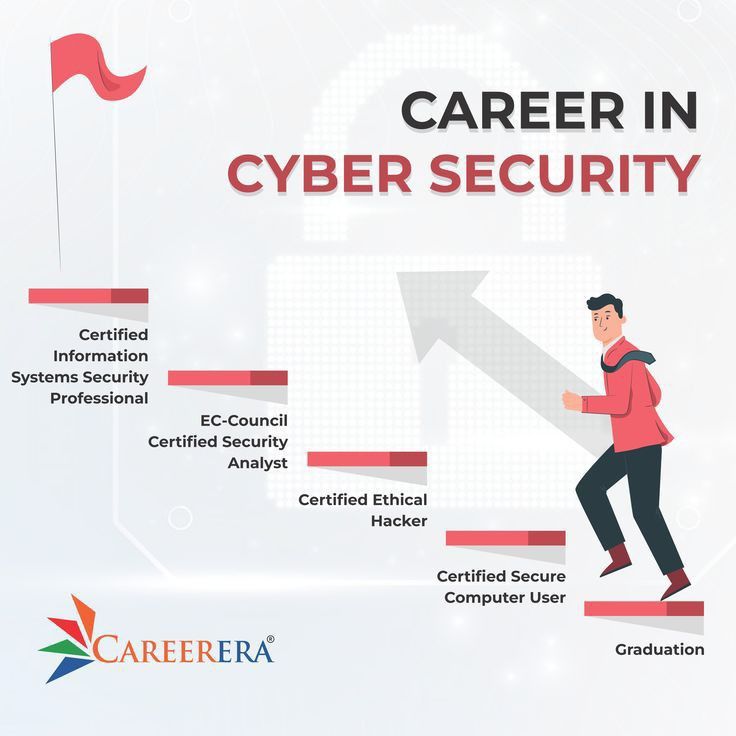
Many wonder how to start a cybersecurity career, especially without a formal degree. The good news? It’s entirely possible through targeted effort.
Step 1: Build a Strong Foundation
Start with IT basics: operating systems (Windows, Linux), networking (TCP/IP, subnets, firewalls), and hardware. Free resources like Professor Messer videos or TryHackMe platforms are excellent starting points.
Step 2: Develop Cybersecurity Skills for Beginners
Focus on core competencies:
- Networking fundamentals
- Operating system security
- Basic scripting (Python, Bash, PowerShell)
- Threat identification and vulnerability assessment
Step 3: Earn Your First Cybersecurity Certification Course
Certifications validate skills and open doors. For beginners, CompTIA Security+ is the gold standard—vendor-neutral, covering threats, architecture, operations, and governance. ISC2 Certified in Cybersecurity (CC) is another accessible entry point, often available for free or low cost.
Step 4: Gain Hands-On Experience
Set up a home lab with virtual machines (VirtualBox or VMware), practice on platforms like HackTheBox or VulnHub. Contribute to open-source security projects or participate in bug bounty programs.
Step 5: Network and Build a Portfolio
Join communities on LinkedIn, Reddit (r/cybersecurity, r/netsec), attend local meetups, BSides conferences, or DEF CON. Create a GitHub portfolio showcasing labs, write-ups, and personal projects.
Step 6: Land Entry-Level Roles
Target positions like SOC Analyst Level 1, Junior Penetration Tester, Security Operations Center technician, or IT support with security focus. Many roles value demonstrated skills over degrees.
A quality cybersecurity training institute accelerates this path with structured programs, career services, and job placement support.
Cybersecurity Skills for Beginners: Building Your Technical Arsenal

Cybersecurity skills for beginners form the bedrock. Prioritize these:
- Networking and Systems Knowledge: Understand OSI model, firewalls, VPNs, IDS/IPS. Tools: Wireshark, tcpdump.
- Operating Systems Mastery: Linux commands, Windows security features, macOS basics.
- Programming and Scripting: Python for automation, SQL for database security, JavaScript for web app vulnerabilities.
- Security Tools: Familiarity with Nmap, Metasploit, Burp Suite, Splunk or ELK Stack for logging.
- Incident Response Basics: Follow NIST or SANS frameworks for detection, containment, eradication, recovery.
- Cloud Security: AWS, Azure, GCP fundamentals—IAM, encryption, shared responsibility model. Cloud skills are in high demand in 2026.
- Soft Skills: Communication, problem-solving, ethical decision-making, and teamwork.
Practice through labs: Configure a secure network, perform vulnerability scans, analyze malware samples in a sandbox. Cybersecurity training institutes provide guided labs and simulations far beyond self-study.
Choosing and Benefiting from a Cybersecurity Training Institute
Not all programs are equal. A reputable cybersecurity training institute offers:
- Curriculum Relevance: Updated for current threats, including AI security, zero-trust architecture, and OT/ICS security.
- Hands-On Learning: Virtual labs, red/blue team exercises, real-world simulations.
- Expert Instructors: Practitioners with current industry experience.
- Career Support: Resume reviews, interview prep, job connections.
- Flexible Options: Online, in-person, bootcamps, or part-time.
When evaluating institutes, look for partnerships with CompTIA, ISC2, EC-Council, or vendors like Microsoft and Cisco. Check reviews, completion rates, and alumni success stories. Avoid “scammy” programs promising quick riches without effort.
Top institutes integrate cybersecurity certification courses directly, helping you prepare efficiently for exams while building practical expertise.
Cybersecurity Certification Course: Your Ticket to Credibility
A strong cybersecurity certification course is often more valuable than a degree for entry and advancement. Popular options in 2026 include:
- Entry-Level: CompTIA Security+, ISC2 CC, Google Cybersecurity Professional Certificate.
- Intermediate: CompTIA CySA+, PenTest+, Certified Ethical Hacker (CEH).
- Advanced: CISSP, CISM, OSCP, CCSP for cloud.
Benefits:
- Credibility: Signals commitment to employers.
- Knowledge Depth: Structured learning paths.
- Higher Earnings: Certified professionals earn 10-20%+ more on average.
- DoD Compliance: Many government roles require specific certs (e.g., 8570).
Enroll in a course that includes practice exams, labs, and instructor support. Combine with self-study for best results. Renewals keep skills fresh.
Cybersecurity Career Opportunities: Diverse Paths and Specializations
Cybersecurity career opportunities are vast and evolving:
- Defensive Roles: SOC Analyst, Security Engineer, Threat Hunter.
- Offensive: Penetration Tester, Red Team Operator, Bug Bounty Hunter.
- Governance, Risk, Compliance (GRC): Compliance Analyst, Risk Manager, CISO path.
- Specialized: Cloud Security Architect, Forensics Investigator, Malware Analyst, AI Security Specialist.
- Emerging: Quantum-resistant cryptography, IoT/OT security, privacy engineering.
Lateral moves from IT helpdesk or software development are common. Freelance consulting, government roles (high security clearances pay well), and startups offer variety. International opportunities abound due to the global talent gap.
Progression typically looks like: Entry (0-2 years) → Mid-level (3-7 years) → Senior/Leadership (8+ years). Continuous upskilling is non-negotiable.
Advanced Topics Schools Overlook: Mindset, Networking, and Business Acumen
Successful professionals excel through:
- Adversarial Thinking: Always assume breach (Zero Trust).
- Automation and Efficiency: Use scripts and SOAR tools to handle repetitive tasks.
- Continuous Learning: Follow sources like Krebs on Security, attend webinars, read threat reports.
- Networking: Build relationships—many jobs come through referrals.
- Business Acumen: Understand ROI of security controls, translate tech risks into business impacts.
Cybersecurity training institutes often include modules on these “soft” yet critical areas, plus leadership training for those eyeing managerial roles.
Real-World Case Studies and Lessons Learned
Consider the 2024-2025 surge in ransomware attacks on healthcare and critical infrastructure. Professionals who combined technical skills with rapid response and stakeholder communication minimized damage.
Another example: Entry-level analysts using home labs to detect simulated APTs landed jobs faster than peers with only academic credentials.
Lessons:
- Document everything for audits and learning.
- Stay ethical—shortcuts destroy careers.
- Balance breadth (generalist) with depth (specialist) based on interests.
Overcoming Common Challenges in Cybersecurity Careers
- Imposter Syndrome: Common in a field of rapid change. Focus on progress, not perfection.
- Job Market Competition: Tailor applications with keywords from job descriptions. Highlight projects.
- Diversity and Inclusion: The field benefits from varied perspectives; many initiatives support underrepresented groups.
- Work-Life Balance: Set boundaries with on-call rotations; prioritize health.
Future-Proofing Your Cybersecurity Career

In 2026 and beyond, focus on:
- AI/ML for threat detection and adversarial AI defense.
- Regulatory compliance amid tightening laws.
- Sustainable security practices.
- Interdisciplinary skills (e.g., cybersecurity + law, psychology for social engineering defense).
A cybersecurity training institute that updates curricula regularly helps you stay ahead.
Conclusion: Your Actionable Path Forward
Schools provide a foundation, but cybersecurity careers demand practical know-how, adaptability, and real-world preparation that specialized cybersecurity training institutes deliver effectively. By mastering cybersecurity skills for beginners, investing in a quality cybersecurity certification course, understanding how to start a cybersecurity career, and exploring abundant cybersecurity career opportunities, you position yourself for success in a field that truly matters.
Start today: Assess your current skills, enroll in an introductory course or certification prep, build a simple lab, and connect with the community. The cyber battlefield needs dedicated defenders— and with the right guidance, you can be one of them.
The future of cybersecurity is bright for those willing to learn beyond the classroom. What schools don’t teach, we do—and the results speak for themselves through thriving careers and impactful contributions to digital safety.
Frequently Asked Questions (FAQs)
1. Why don’t schools teach cybersecurity in depth?
Most schools focus on general computer education and digital literacy. Cybersecurity requires specialized, hands-on training that is often not included in standard school curricula.
2. What skills are required for a cybersecurity career?
Key skills include network security, ethical hacking, penetration testing, risk assessment, digital forensics, cloud security, scripting, and problem-solving.
3. Can I start learning cybersecurity while I am in school?
Yes. Students can begin learning cybersecurity through beginner-friendly courses, virtual labs, coding practice, and ethical hacking challenges alongside their regular studies.
4. Do I need programming knowledge to learn cybersecurity?
Basic programming knowledge is helpful, but many beginner cybersecurity courses start from the fundamentals and gradually introduce coding concepts.
5. Which cybersecurity certifications are valuable for beginners?
Popular beginner certifications include CompTIA Security+, Google Cybersecurity Certificate, Cisco Certified Support Technician (CCST), and Certified Ethical Hacker (CEH) after gaining foundational knowledge.
6. What career opportunities are available in cybersecurity?
Graduates can pursue roles such as Security Analyst, SOC Analyst, Ethical Hacker, Penetration Tester, Network Security Engineer, Cybersecurity Consultant, Incident Responder, and Cloud Security Engineer.
7. Is cybersecurity a good career in 2026 and beyond?
Yes. As cyber threats continue to grow, organizations across industries are increasing investments in cybersecurity, creating strong demand for skilled professionals.
8. How does practical cybersecurity training help students?
Hands-on labs, real-world projects, Capture The Flag (CTF) challenges, and simulated cyber attacks help students build practical skills that employers value.
9. What makes a cybersecurity training institute different from school education?
A specialized institute focuses on industry tools, live projects, certification preparation, career guidance, interview training, and placement support rather than only theoretical concepts.
10. How can students prepare for a successful cybersecurity career?
Students should build a strong foundation in networking and operating systems, practice in virtual labs, earn industry-recognized certifications, work on projects, and stay updated with the latest cyber threats and security technologies.